Independent equipment channel featuring HORDA machineryCase making · inner lining · collapsible boxes · frame stretching
Menu
Home / Technical guide
Technical guide

Adhesive Viscosity, Temperature & Open Time

Adhesive Viscosity, Temperature & Open Time. Control the material and process variables that affect repeatable accepted output.

Evidence-gated draft: technical facts, images and application proof require review before search indexing.
技术专题 review

Define what adhesive viscosity, temperature & open time must achieve.

A rigid box adhesive viscosity decision starts with the real product, complete format range, material specification, accepted-output target and the operation that receives the result.

Discuss this requirement →

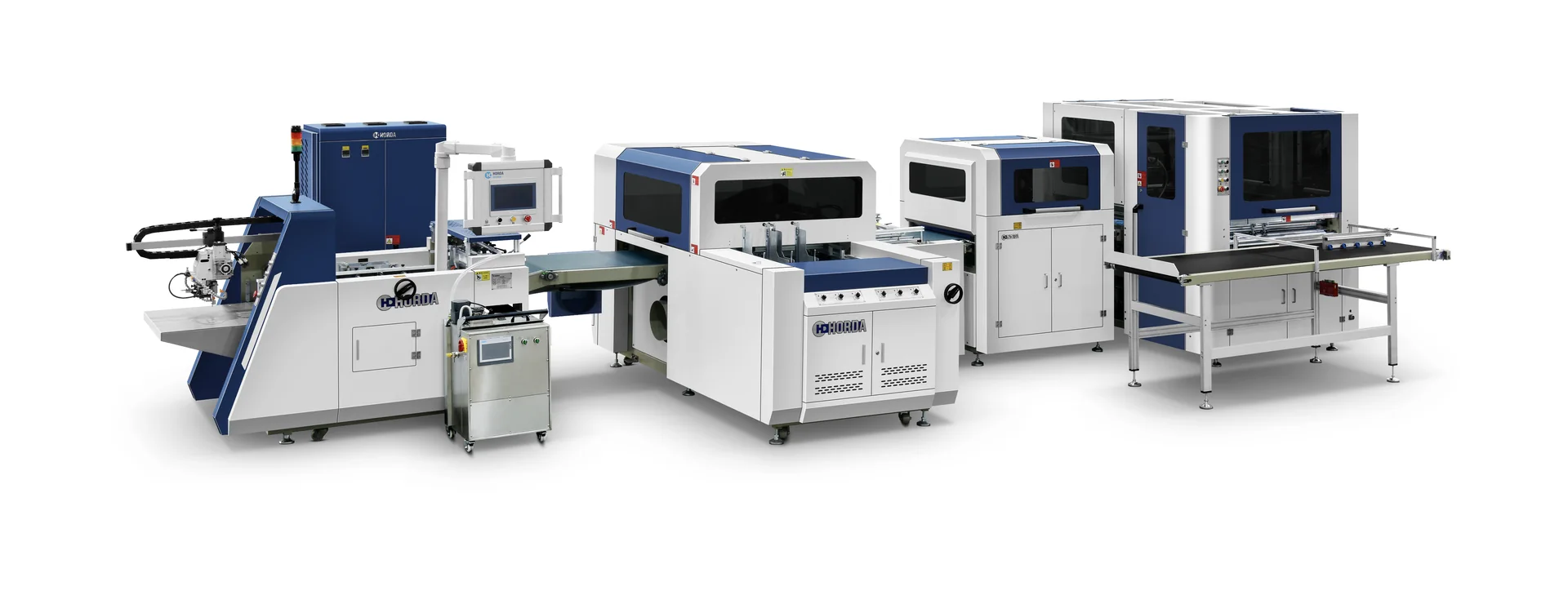
HORDA ZFM-700F/1000F automatic case making machine
Technical control plan

Control viscosity, temperature and open time as one process.

Adhesive performance changes with formulation, temperature, dilution, application weight, paper absorption and the time before bonding.

01Identify the adhesiveRecord product, batch, mix or dilution and supplier instructions.
02Measure process conditionsTrack adhesive and room temperature with the chosen viscosity method.
03Set application weightCheck coverage, transfer, squeeze-out and contamination risk.
04Test open timeRun the real delay through positioning, wrapping, lining and pressing.
05Verify bond after conditioningInspect bubbles, lifting, distortion and bond strength after the agreed time.

Variables that change the equipment decision

  • Adhesive type, batch and dilution
  • Room and adhesive temperature
  • Paper absorption and coating
  • Application weight, open time and press condition
Scope boundary: A viscosity number without a method and temperature is not comparable, and immediate tack does not prove the final conditioned bond.
Decision framework

Three checks for adhesive viscosity, temperature & open time.

Use these checks to keep the rigid box adhesive viscosity discussion tied to measurable inputs, outputs and responsibility boundaries.

Controlled variable

Define how adhesive viscosity, temperature & open time is measured during a repeatable production trial.

Reference sample

Compare changes related to rigid box adhesive viscosity against one approved physical result.

Recorded outcome

Document settings, defects and accepted output when evaluating adhesive viscosity, temperature & open time.

Information for review

Prepare a complete rigid box adhesive viscosity brief.

The six items below reduce assumptions when evaluating adhesive viscosity, temperature & open time and make competing technical offers easier to compare.

Variable definitionRecord this item specifically for adhesive viscosity, temperature & open time rather than relying on a generic machine request.
Measurement methodGive the minimum, maximum or current condition that applies to the adhesive viscosity, temperature & open time project.
Reference sampleAttach a drawing, photograph, specification or physical sample relevant to adhesive viscosity, temperature & open time.
Trial conditionsState how this adhesive viscosity, temperature & open time requirement will be inspected and accepted.
Defect recordExplain present production, job mix and the expected change connected with adhesive viscosity, temperature & open time.
Corrective actionConfirm who supplies, approves and supports this part of the adhesive viscosity, temperature & open time scope.
Project sequence

Move adhesive viscosity, temperature & open time from sample to written scope.

Keep the same product definition, material set and acceptance method throughout the rigid box adhesive viscosity trial, quotation and order.

01Define the variable for Adhesive Viscosity, Temperature & Open Time
02Keep an approved reference for Adhesive Viscosity, Temperature & Open Time
03Measure current conditions for Adhesive Viscosity, Temperature & Open Time
04Change one factor for Adhesive Viscosity, Temperature & Open Time
05Record the result for Adhesive Viscosity, Temperature & Open Time
Frequently asked questions

Questions about adhesive viscosity, temperature & open time.

Use the answers as a starting checklist and confirm project-specific statements with current technical evidence.

Why does adhesive viscosity, temperature & open time matter?

It can change feeding stability, registration, wrapping quality, repeatability or the acceptance result for the finished component.

Can a catalogue value replace a sample trial?

No. Catalogue values screen the project; actual materials and an agreed inspection method determine practical fit.

Which variables should be recorded?

Record material specification, flat dimensions, machine settings, ambient conditions, defects, accepted output and the approved reference sample.

How should a process change be evaluated?

Change one controlled variable at a time and compare the result against the same approved sample and inspection criteria.

Primary topic: rigid box adhesive viscosity. This page remains excluded from search while its facts, images and application proof are under review.

Explore next

Related planning pages.

Continue from adhesive viscosity, temperature & open time to the most relevant equipment, process, application or buyer-information page.

Build the right process

Ready to review your box sample?

Send the finished product, flat drawing, materials, size range and target output.

Request a quote →