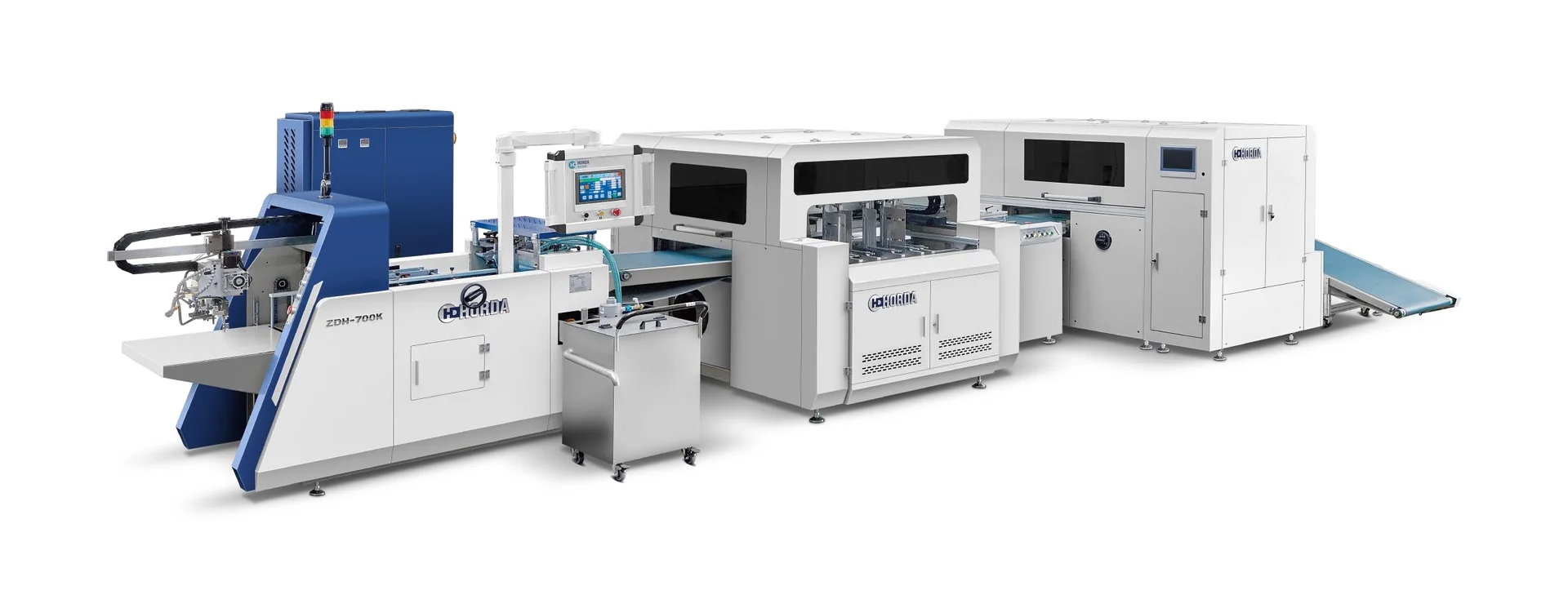
Define the output
Freeze the finished box, flat components, materials, size range and accepted-output target.
Choose by operation and finished format.
Connect machines into a workable production route.
Start with the product you need to package.
Turn an inquiry into a verifiable project scope.
A solution page starts with the finished product and maps every operation, machine, buffer, operator and downstream responsibility. It is not a substitute name for one machine.
Evidence-gated planning: equipment scope and acceptance must be confirmed against current samples and written offers.The 2026 HORDA catalogue shows book-style and collapsible-box production lines separately from the later individual QZFM, ZFM, ZTC, DFM, ZDH and BK machine pages.
Freeze the finished box, flat components, materials, size range and accepted-output target.
Assign case making, lining, box forming, wing making, inserting and assembly to named stations.
Record machines, labor, buffers, utilities, tests and responsibilities before comparing quotations.
Choose the closest production route, then adapt the equipment list to the actual product rather than copying a standard line blindly.
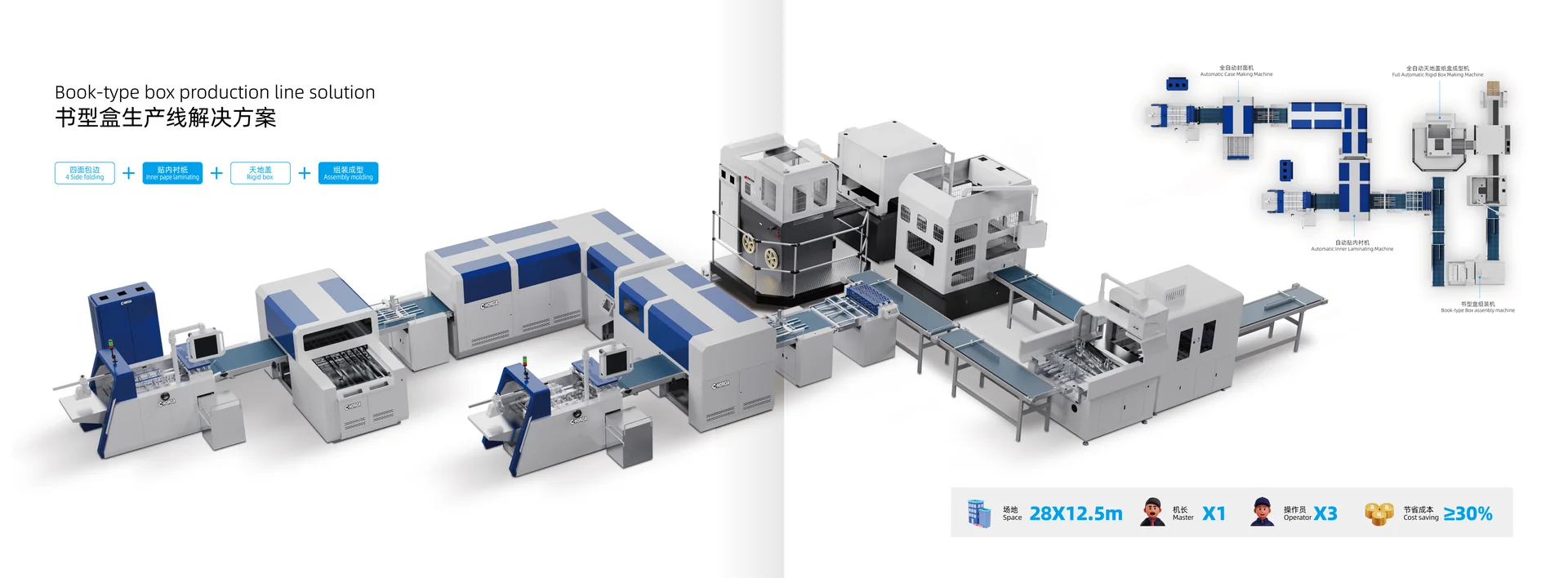
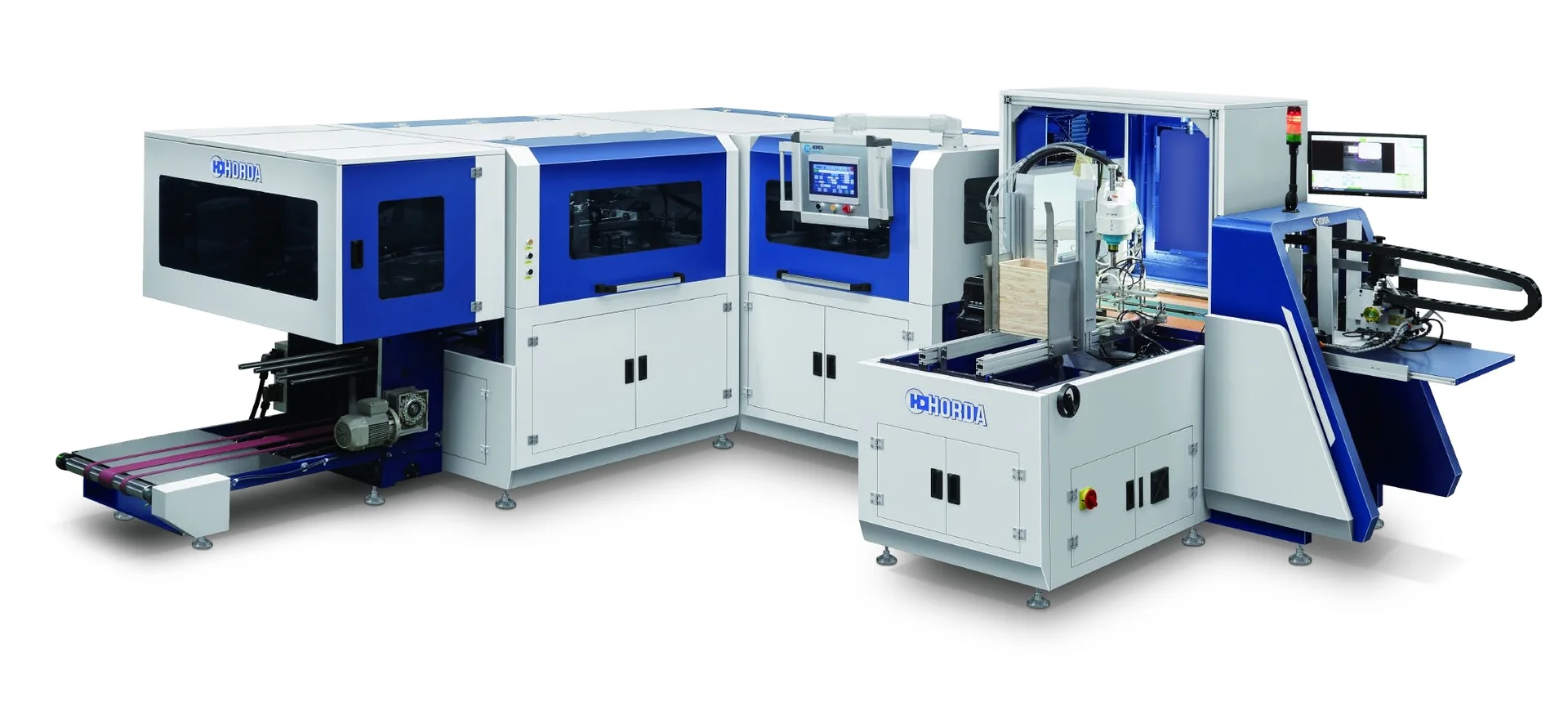
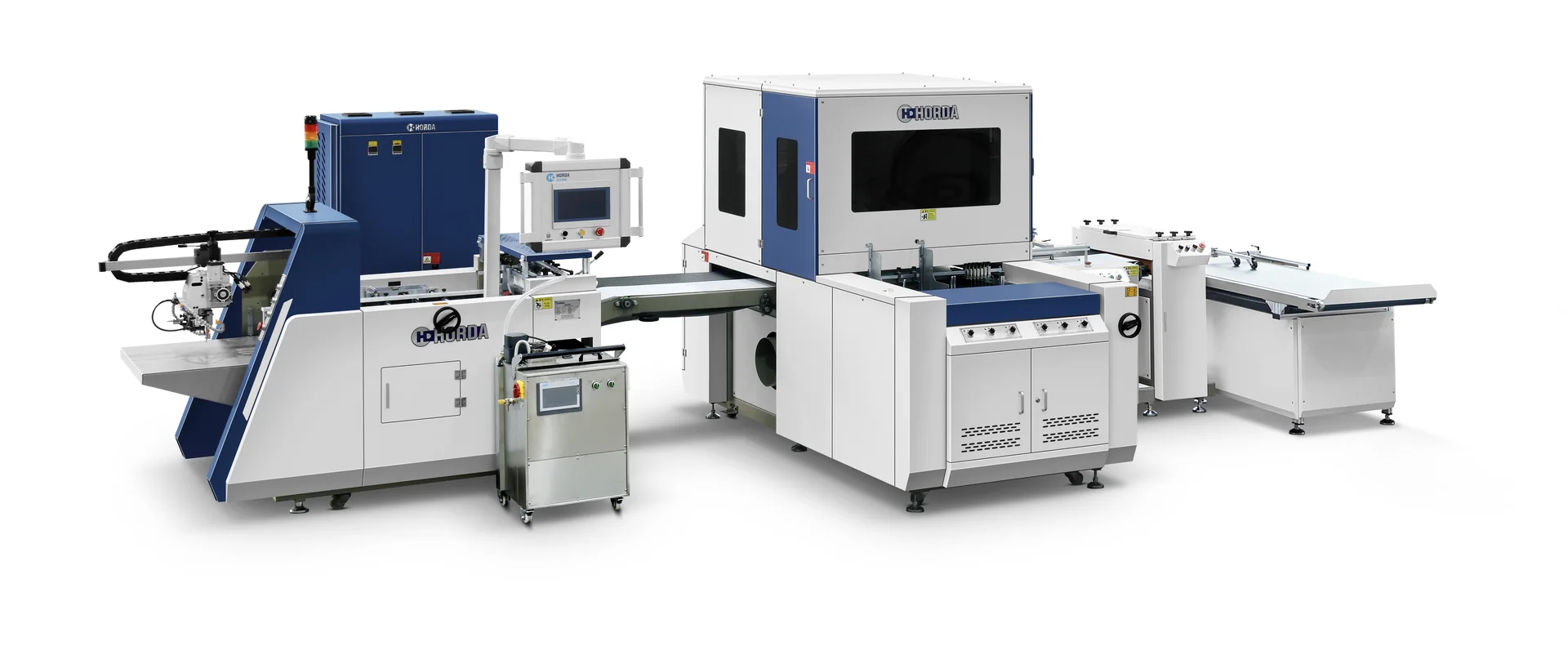
Map case making, lining, rigid-box body production and assembly as separate but connected operations.
View details →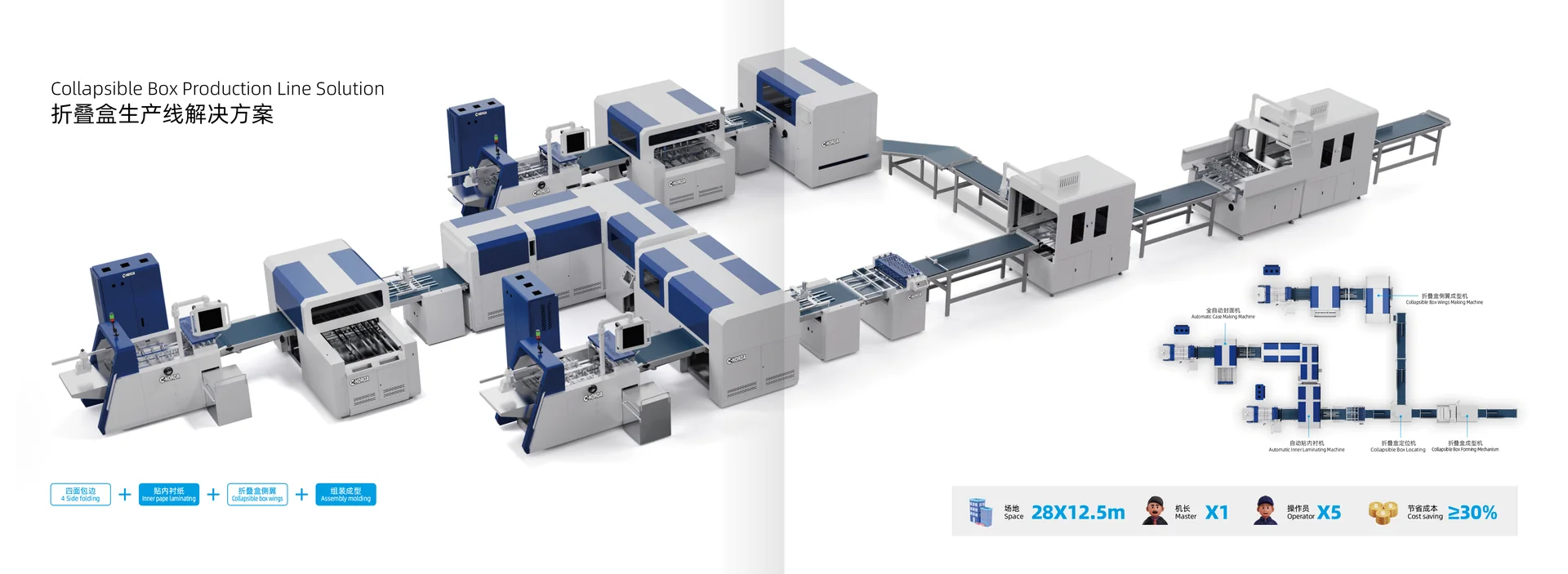
Coordinate covers, inner lining, wing panels, locating, forming and final assembly.
View details →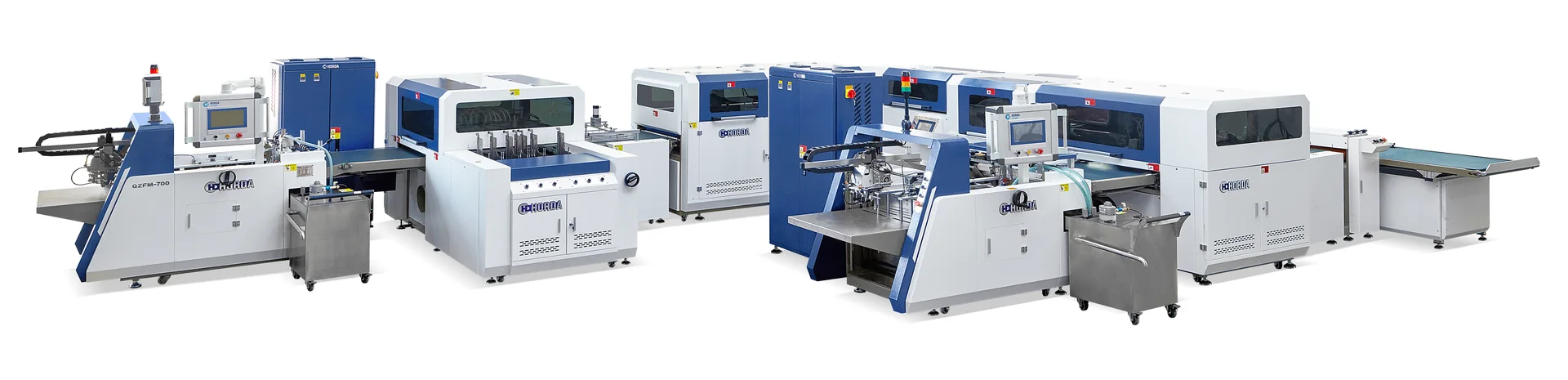
Evaluate a linked QZFM route when both automatic case making and inner-paper laminating belong in scope.
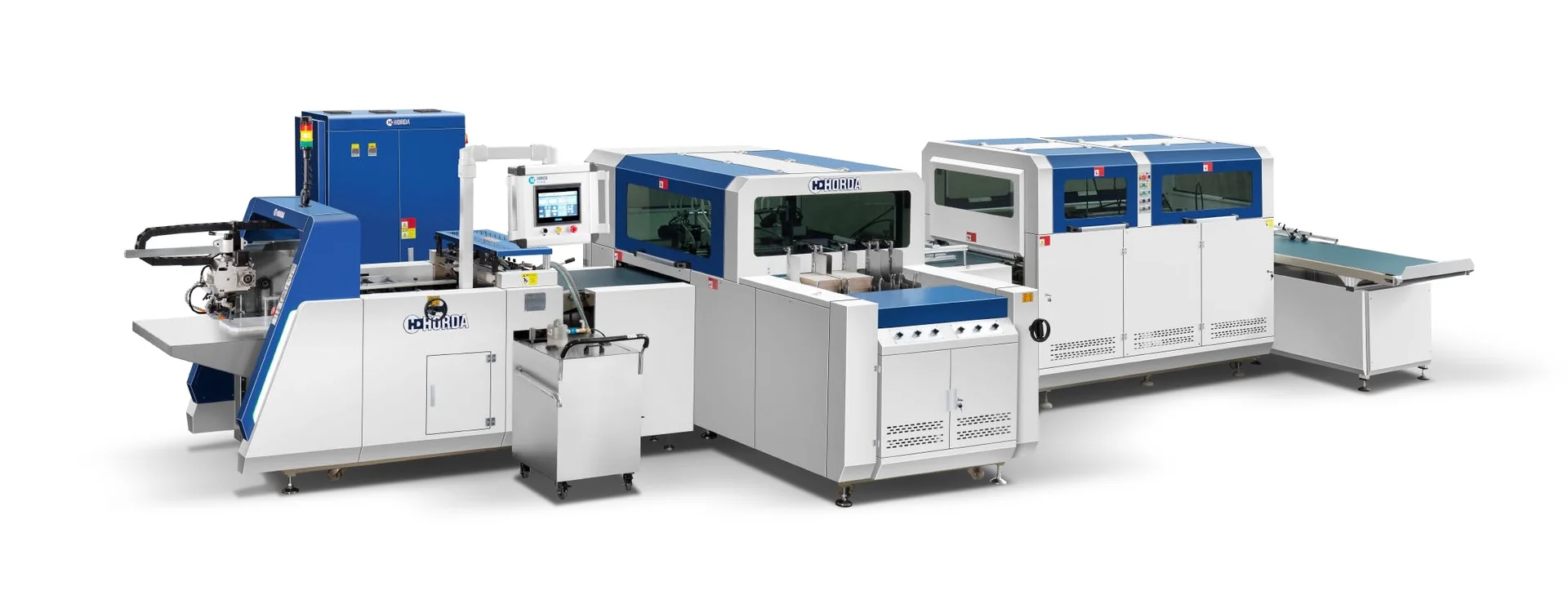
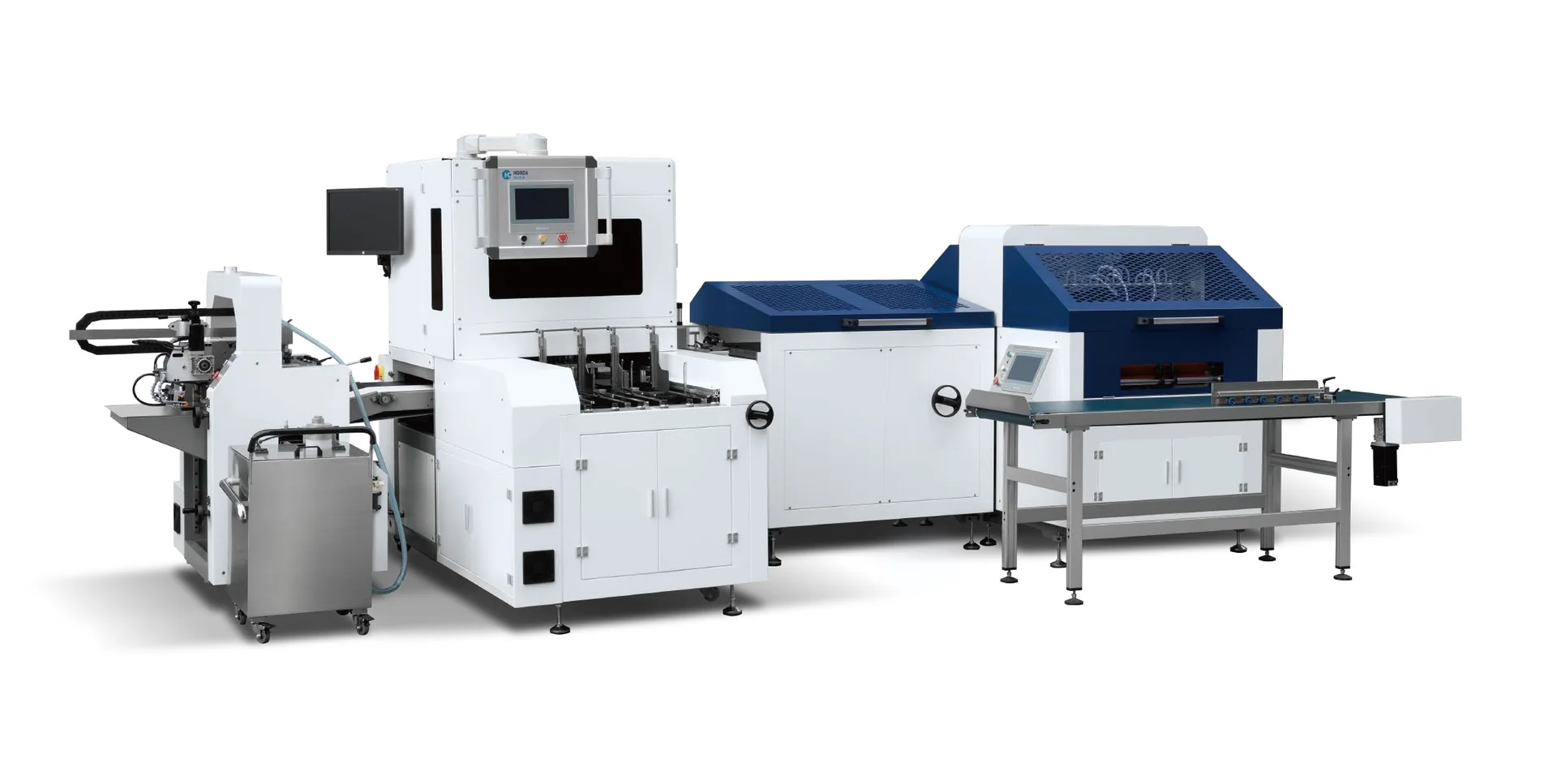
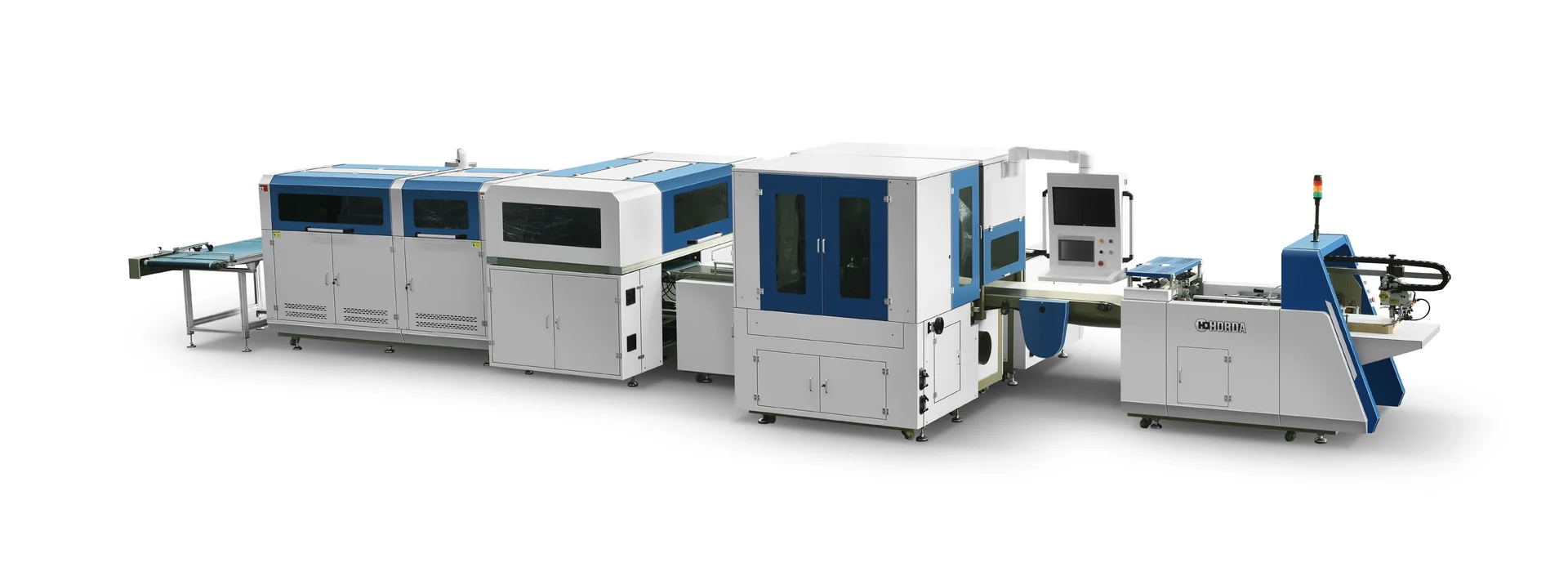
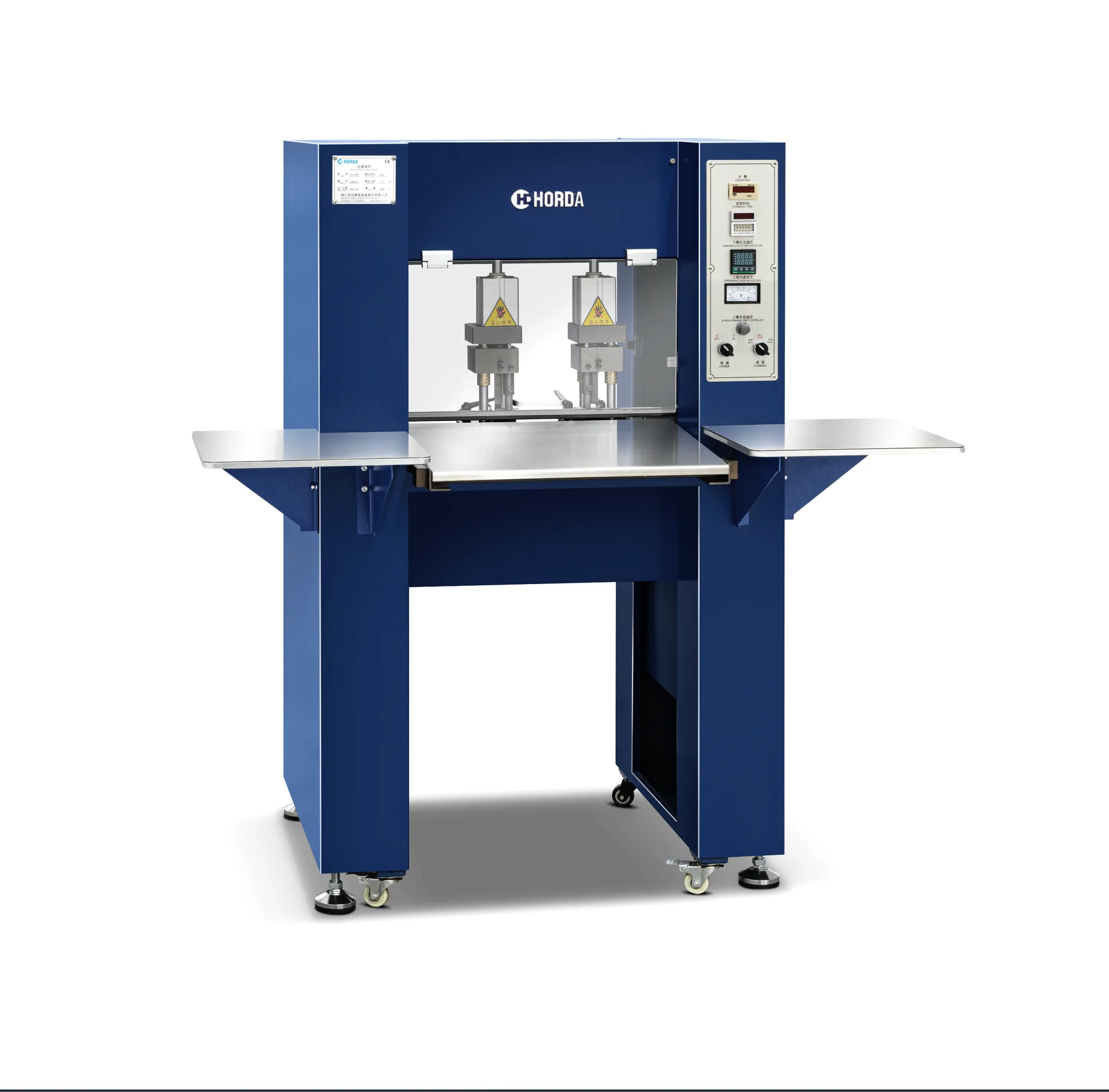
View details →Every card now uses a supplied product or machine image so the next page is identifiable before opening it.
Share finished samples, flat drawings, materials, current steps and target output.