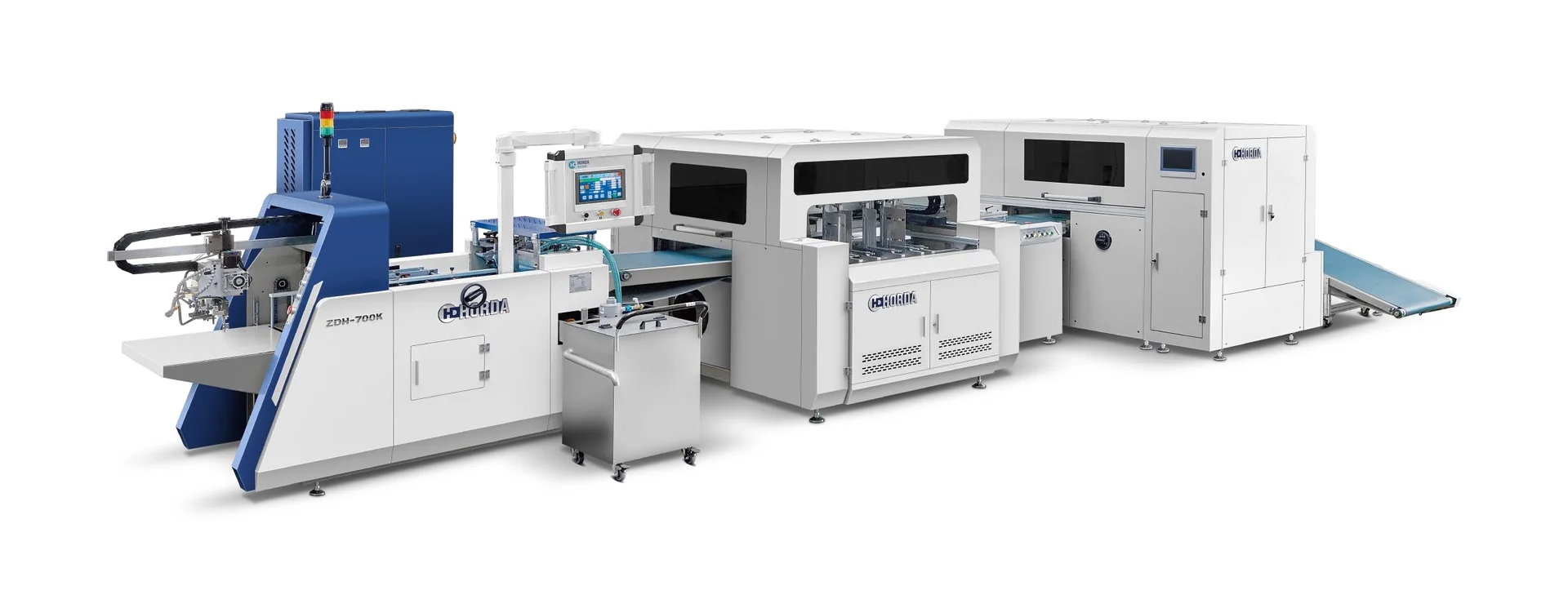
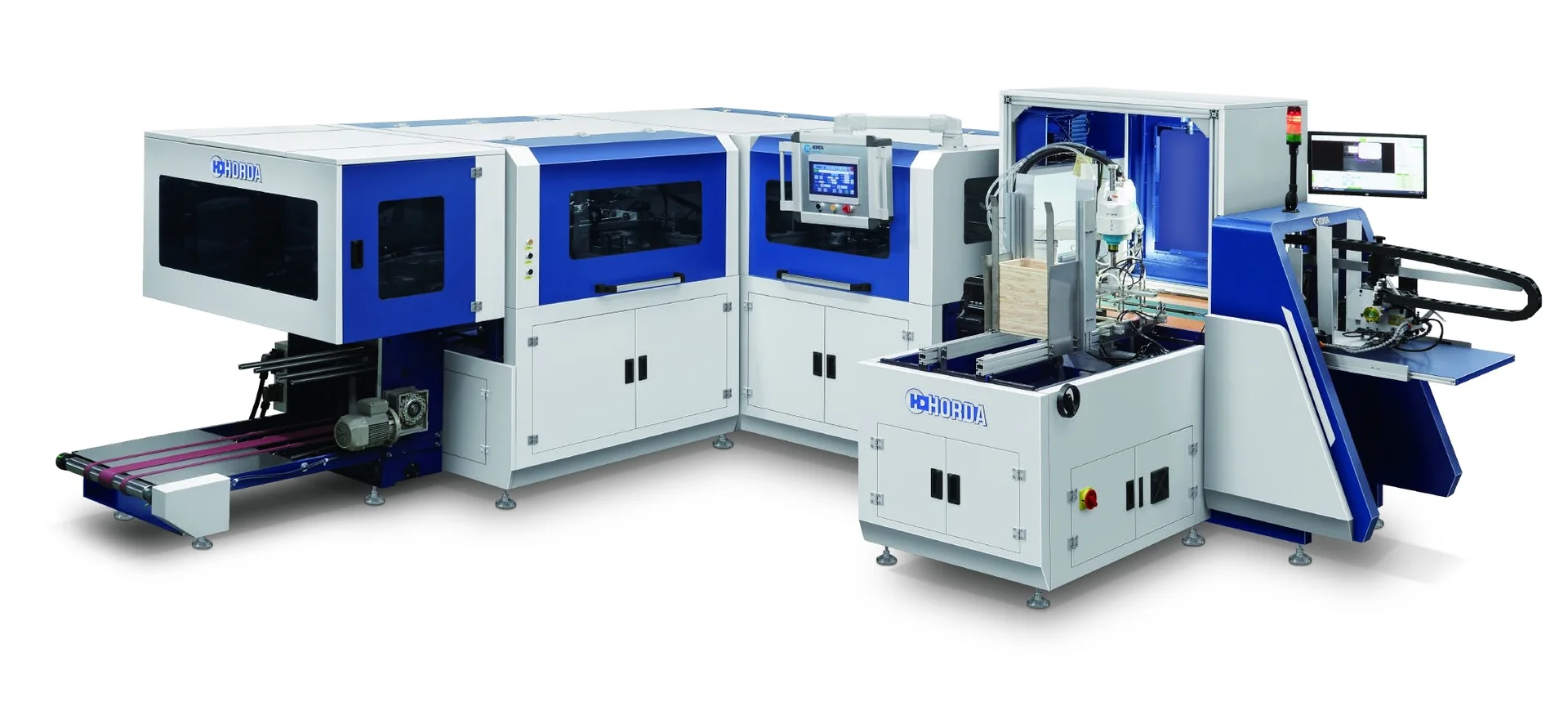
Which machine is suitable for Jewelry & Watch Packaging Machinery Applications?
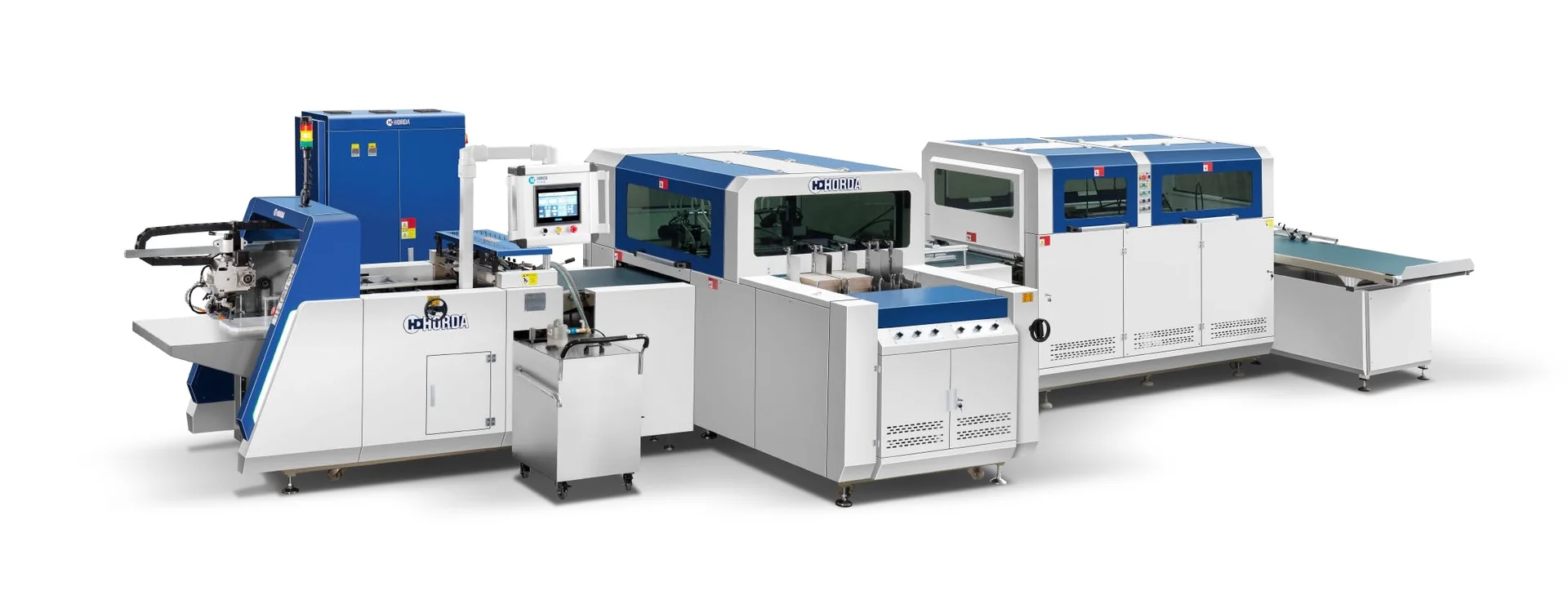
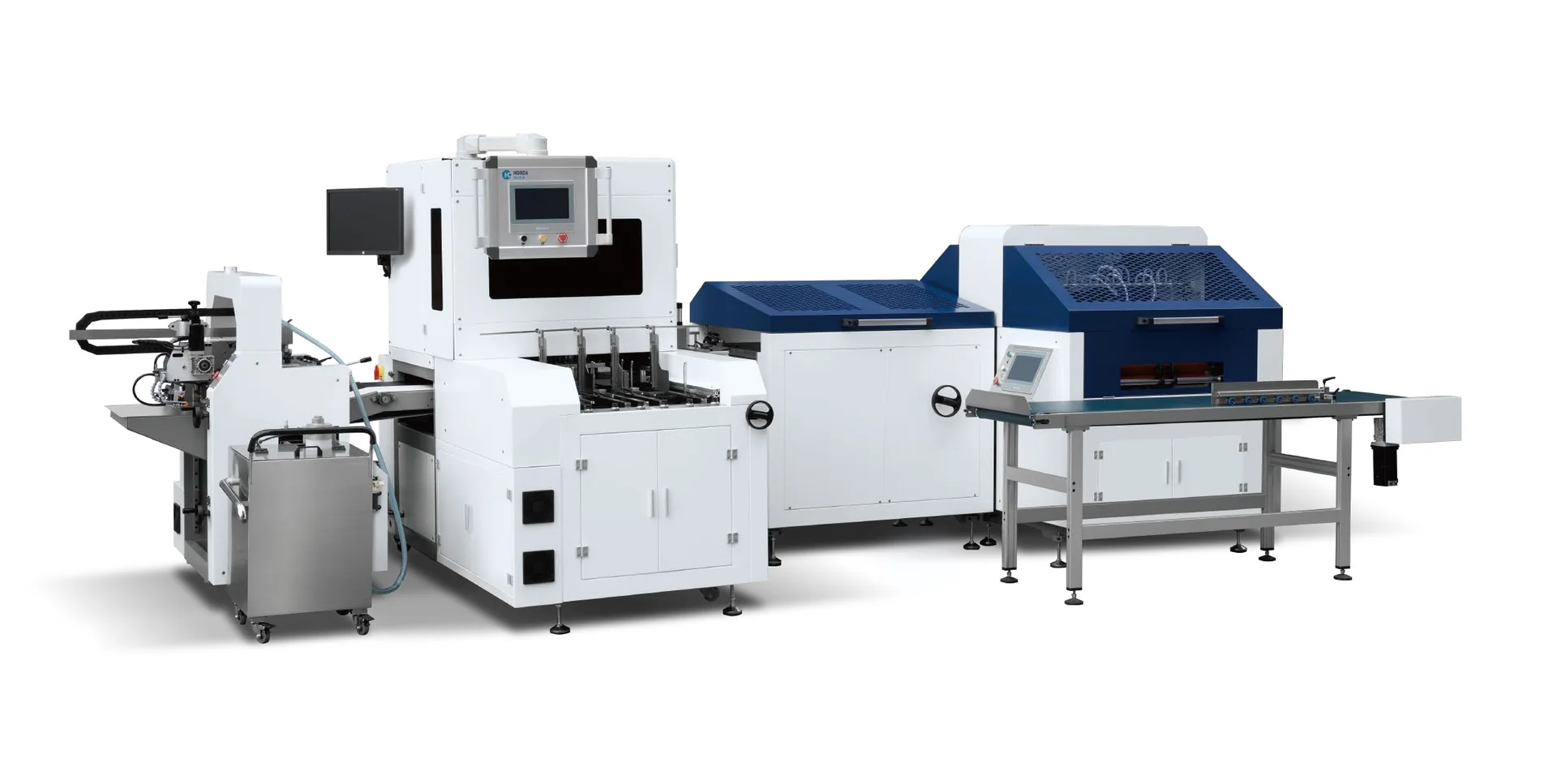
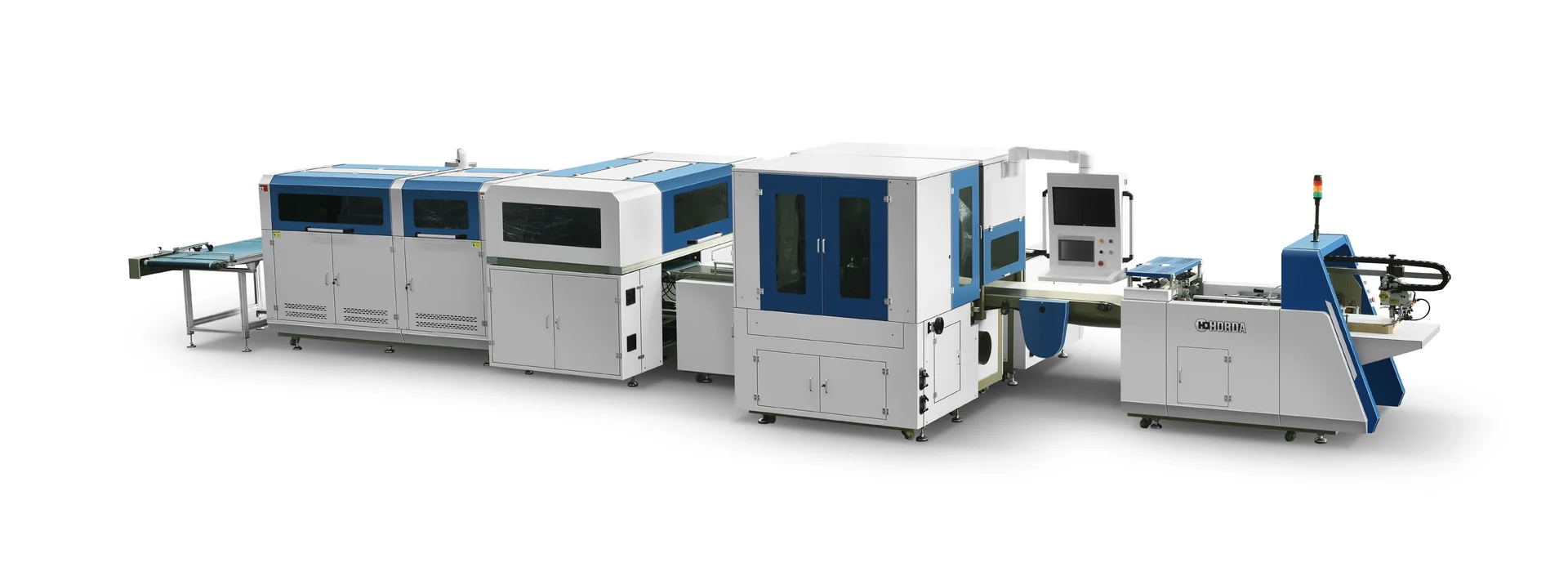
Selection depends on the flat component layout, size range, board, covering material, positioning method and the operations before and after case making.
Choose by operation and finished format.
Connect machines into a workable production route.
Start with the product you need to package.
Turn an inquiry into a verifiable project scope.
Common projects use a wrapped rigid body, hinged or lift-off cover, fitted jewelry pad, watch cushion or removable presentation tray.
Keep the approved sample and the same production materials through trial, quotation and acceptance.
These inputs help separate machine capability from inserts, assembly, packing and other project responsibilities.
Case making can produce the wrapped cover or shell; jewelry pads, watch cushions, molded trays, hinges, clasps and final product loading require separate confirmation.
Use the answers as a starting checklist and confirm project-specific statements with current technical evidence.
Selection depends on the flat component layout, size range, board, covering material, positioning method and the operations before and after case making.
Not always. Case making, lining, box-body forming, inserts, magnets and final assembly can be separate production steps.
Send finished and open samples, flat drawings, minimum and maximum sizes, materials, target output and current production method.
Use actual materials and count consecutive accepted pieces after inspection, rather than relying only on catalogue maximum speed.
Continue from jewelry & watch packaging machinery applications to the most relevant equipment, process, application or buyer-information page.
Send the finished product, flat drawing, materials, size range and target output.