Independent equipment channel featuring HORDA machineryCase making · inner lining · collapsible boxes · frame stretching
Menu
Home / Production solution
Production solution

Case Making Line Layout & Utility Planning

Case Making Line Layout & Utility Planning. Map inputs, machine operations and downstream hand-offs as one measurable workflow.

Evidence-gated draft: technical facts, images and application proof require review before search indexing.
Production solution review

Define what case making line layout & utility planning must achieve.

A case making line layout decision starts with the real product, complete format range, material specification, accepted-output target and the operation that receives the result.

Discuss this requirement →

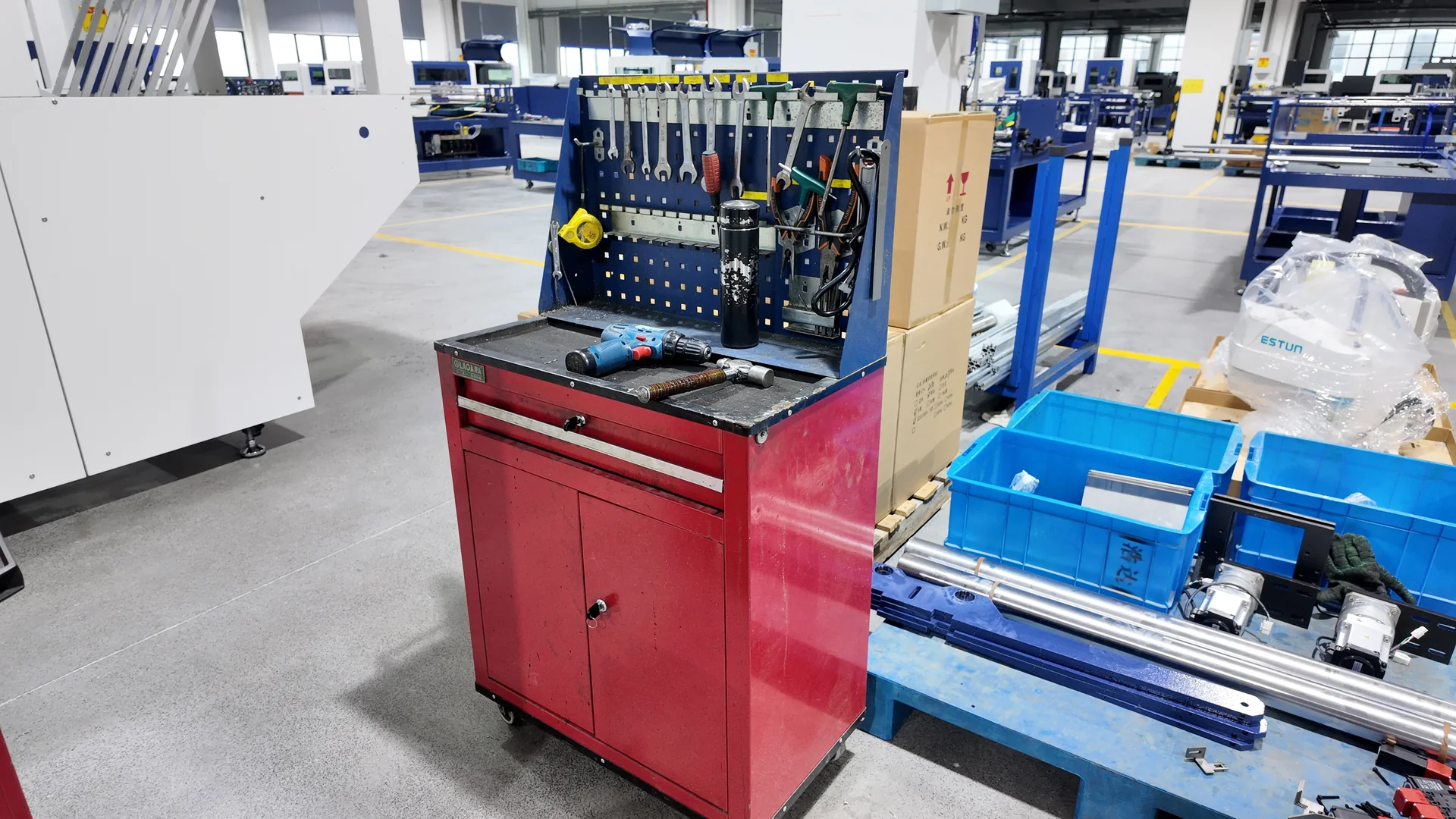
HORDA packaging machinery production workshop
Supplied visual evidence

Equipment and process references

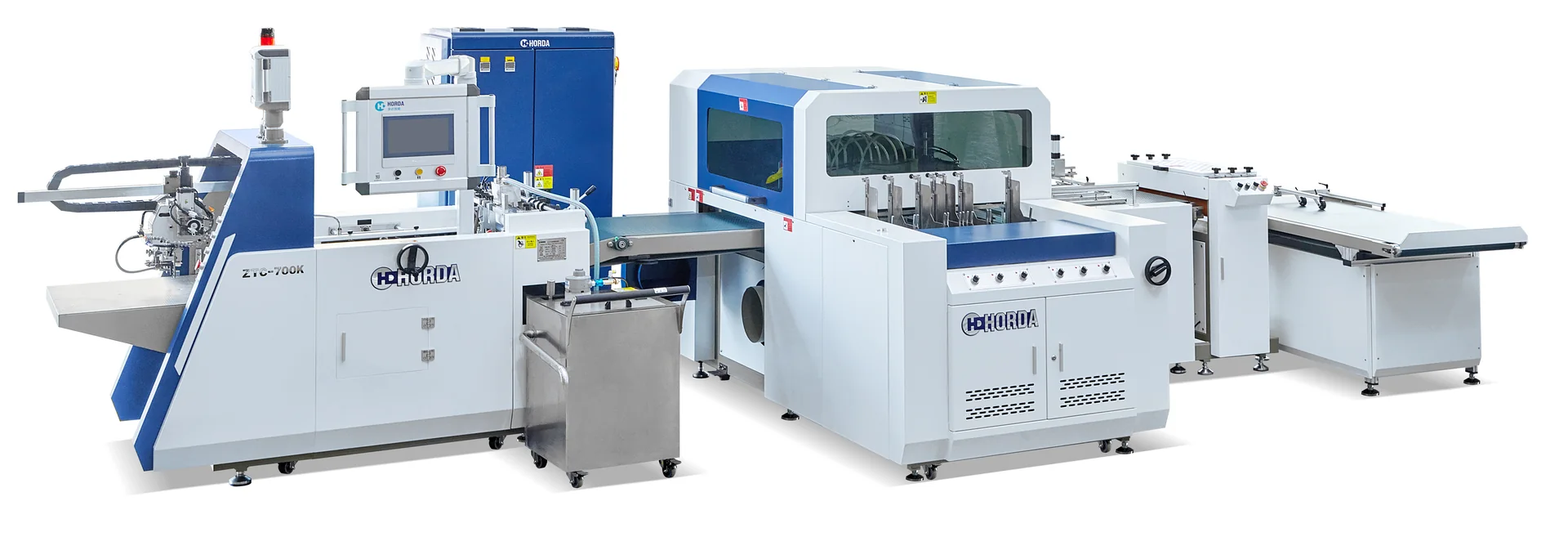
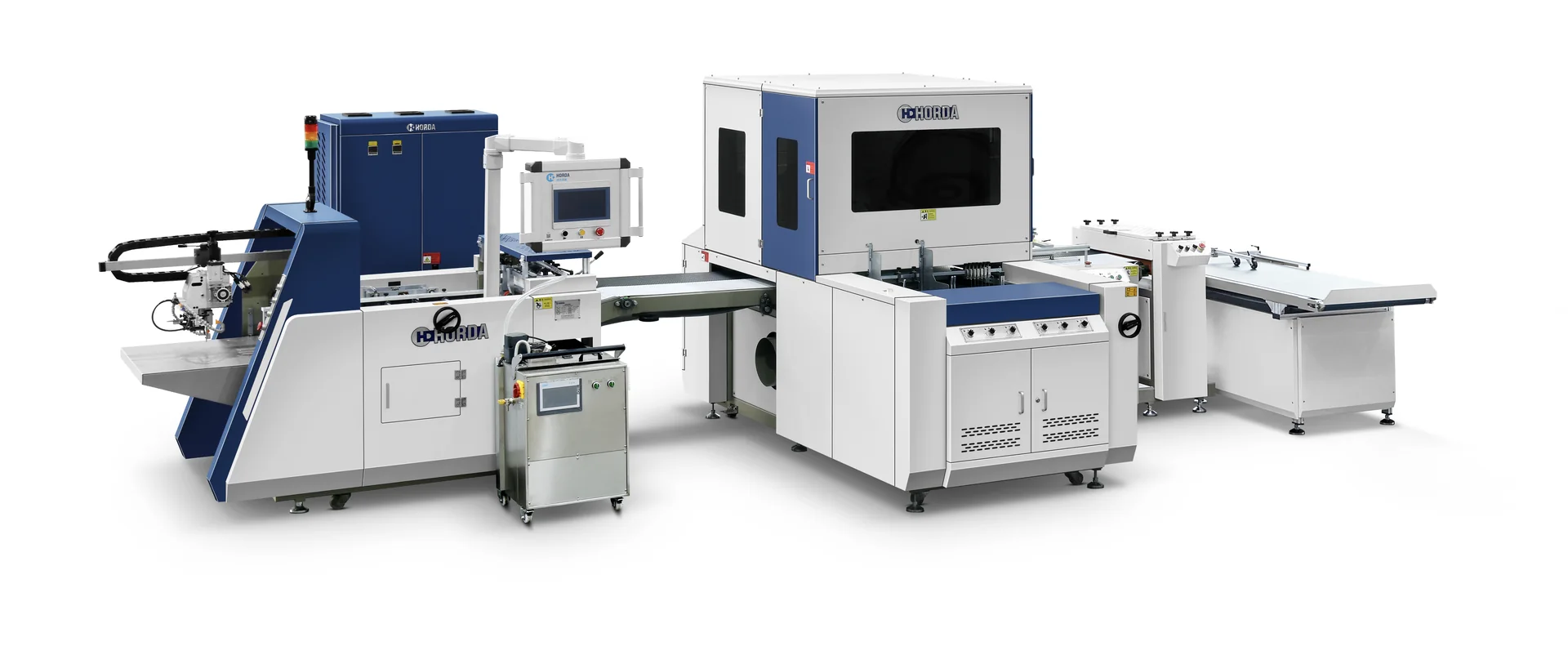
These supplied equipment images support process discussion. Confirm the exact model revision, guarding, options and configuration in the current written offer.

HORDA packaging machinery production workshop
HORDA ZTC-700 automatic inner laminating machine
HORDA ZTC-700E automatic inner laminating machine

Image source: materials supplied for this project. Product, machine and facility identity must be confirmed against the current quotation before making a contractual claim.

Verified catalogue scope

Catalogue equipment dimensions are the starting point for layout planning.

This section separates the operation supported by the supplied HORDA catalogue from downstream work that still needs project-specific confirmation.

Machine envelopeUse the current technical drawing for machine body, service access and operator positions.
Material flowProvide space for covering sheets, board, work-in-process buffers and accepted-product staging.
Utilities and safetyConfirm power, air, extraction if required, maintenance access and local safety responsibility in writing.

Source: HORDA 2026 equipment catalogue supplied for this project. Manufacturer statements and configurations require current-document confirmation.

Application engineering brief

Lay out people, material and service access around the equipment.

A workable line drawing must include more than machine rectangles. Inputs, buffers, rejected output, operators, utilities and maintenance access all need space.

01Map product flowDraw the path from cut paper and board through accepted case, lining and downstream work.
02Place machine envelopesUse current technical drawings with loading, discharge and service clearances.
03Add people and buffersShow operator positions, safe walkways, work-in-process and rejection areas.
04Coordinate utilitiesConfirm power, air, network, extraction if required and cable or hose routing.
05Review installation accessCheck doors, lifts, floor loading, rigging path and future removal or expansion.

Variables that change the equipment decision

  • Current machine drawings and service clearances
  • Material pallet and rack locations
  • Operator movement and safe pedestrian routes
  • Installation, maintenance and future expansion access
Scope boundary: Final electrical, structural, fire and occupational-safety approval remains the responsibility of qualified local professionals and the buyer's site team.
Decision framework

Three checks for case making line layout & utility planning.

Use these checks to keep the case making line layout discussion tied to measurable inputs, outputs and responsibility boundaries.

Operation map

Break case making line layout & utility planning into feeding, positioning, wrapping, lining and assembly operations.

Line balance

Compare accepted output at every hand-off in the proposed case making line layout workflow.

Expansion route

Plan utilities, floor space and future capacity before fixing the case making line layout & utility planning layout.

Information for review

Prepare a complete case making line layout brief.

The six items below reduce assumptions when evaluating case making line layout & utility planning and make competing technical offers easier to compare.

Finished outputRecord this item specifically for case making line layout & utility planning rather than relying on a generic machine request.
Operation sequenceGive the minimum, maximum or current condition that applies to the case making line layout & utility planning project.
Machine interfacesAttach a drawing, photograph, specification or physical sample relevant to case making line layout & utility planning.
Operators and buffersState how this case making line layout & utility planning requirement will be inspected and accepted.
Floor and utilitiesExplain present production, job mix and the expected change connected with case making line layout & utility planning.
Acceptance at each hand-offConfirm who supplies, approves and supports this part of the case making line layout & utility planning scope.
Project sequence

Move case making line layout & utility planning from sample to written scope.

Keep the same product definition, material set and acceptance method throughout the case making line layout trial, quotation and order.

01Break down the finished product for Case Making Line Layout & Utility Planning
02Assign each production step for Case Making Line Layout & Utility Planning
03Balance machines and labor for Case Making Line Layout & Utility Planning
04Test every hand-off for Case Making Line Layout & Utility Planning
05Approve line acceptance for Case Making Line Layout & Utility Planning
Frequently asked questions

Questions about case making line layout & utility planning.

Use the answers as a starting checklist and confirm project-specific statements with current technical evidence.

How is a Case Making Line Layout & Utility Planning configured?

Break the finished product into measurable operations, then assign machines, operators, buffers and quality checks to each hand-off.

Is every machine required from the first stage?

No. A line can be phased around current equipment, bottlenecks, labor and the products with the strongest demand.

What determines line capacity?

Accepted output at the bottleneck, product mix, changeover, material behavior, operator work and downstream assembly all matter.

What belongs in the written scope?

Machine models, options, sample acceptance, utilities, layout, delivery, installation, training, warranty and after-sales responsibility.

Primary topic: case making line layout. This page remains excluded from search while its facts, images and application proof are under review.

Explore next

Related planning pages.

Continue from case making line layout & utility planning to the most relevant equipment, process, application or buyer-information page.

Build the right process

Ready to review your box sample?

Send the finished product, flat drawing, materials, size range and target output.

Request a quote →