
Home / Production solution
Production solution

From manual wrapping to automated case making

From manual wrapping to automated case making. Map inputs, machine operations and downstream hand-offs as one measurable workflow.

Evidence-gated draft: technical facts, images and application proof require review before search indexing.
Production solution review

Define what from manual wrapping to automated case making must achieve.

A automatic vs manual case making decision starts with the real product, complete format range, material specification, accepted-output target and the operation that receives the result.
Discuss this requirement →

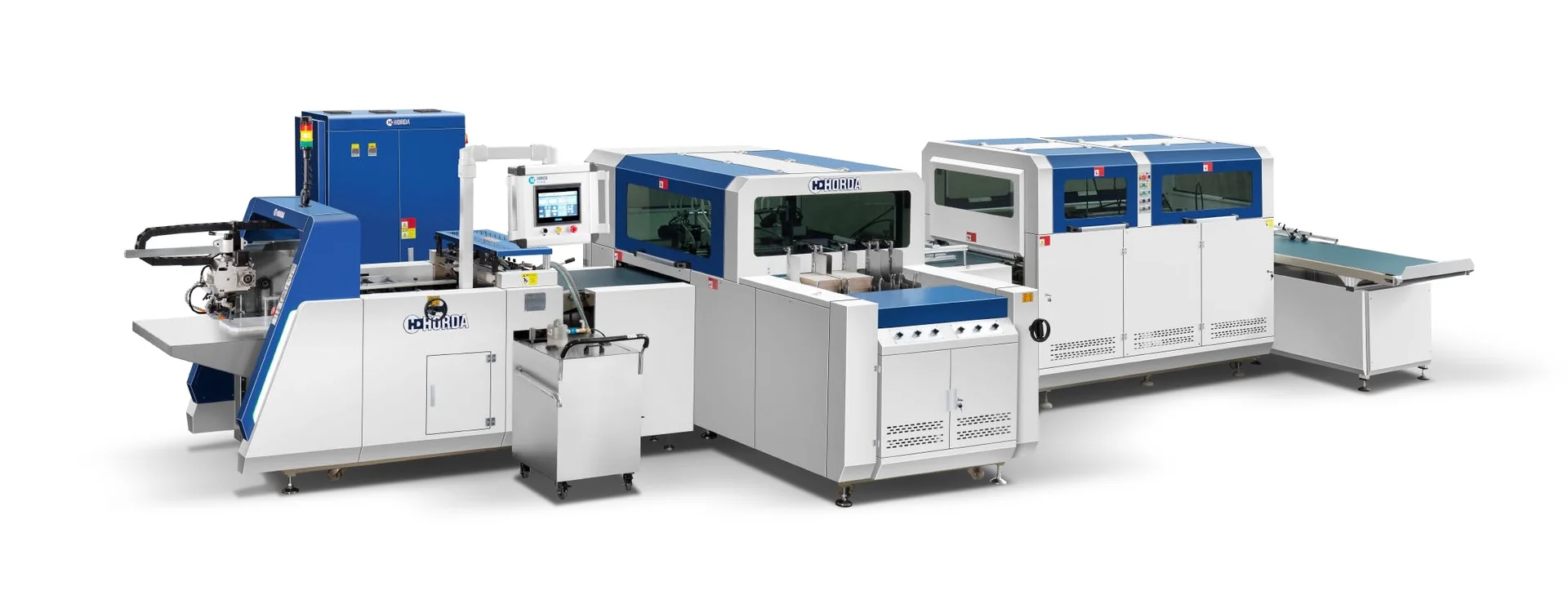
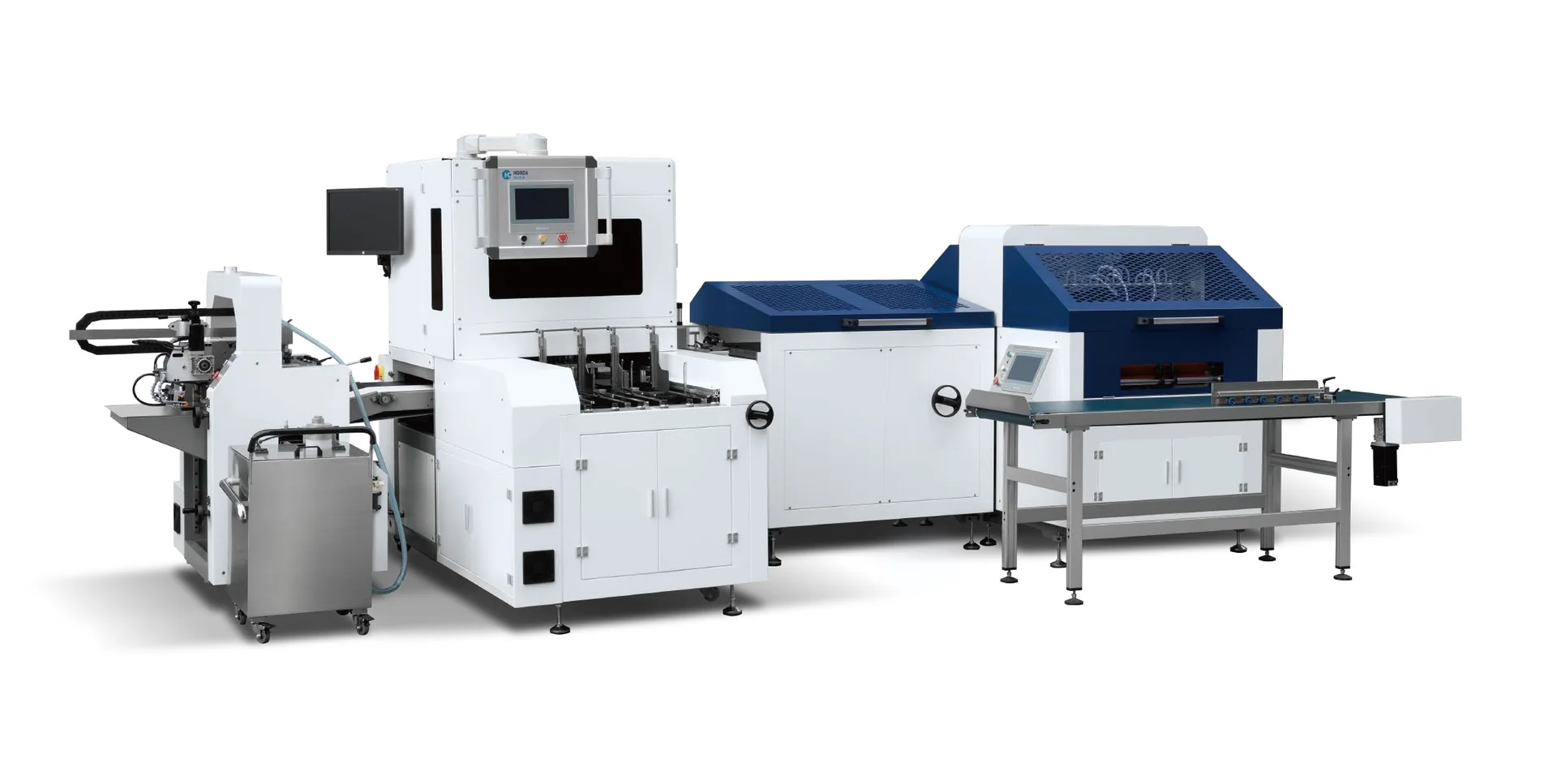
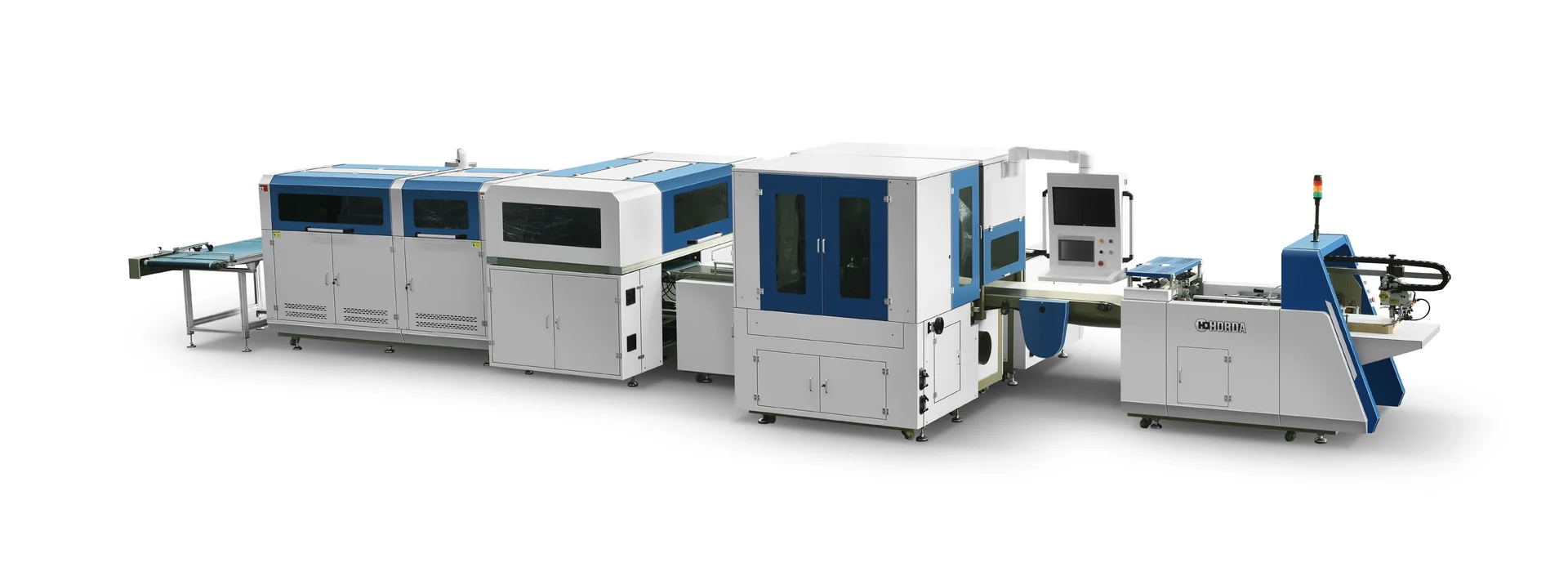
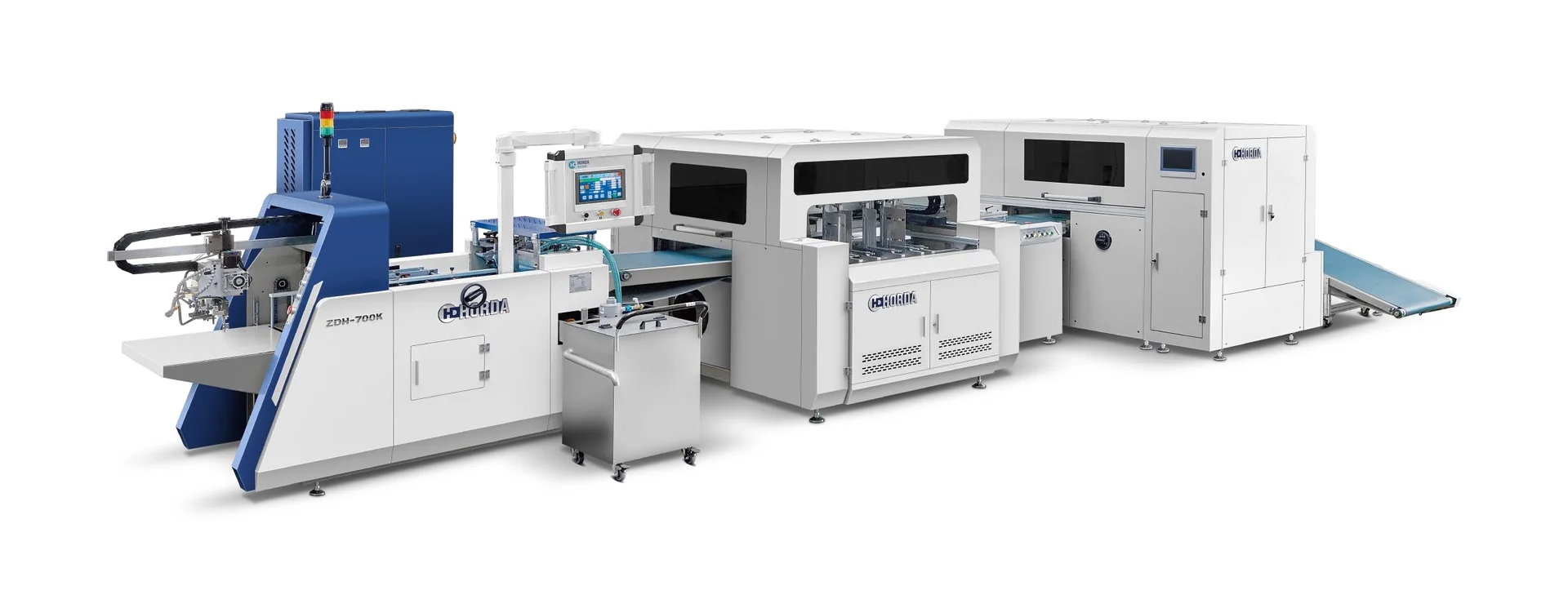
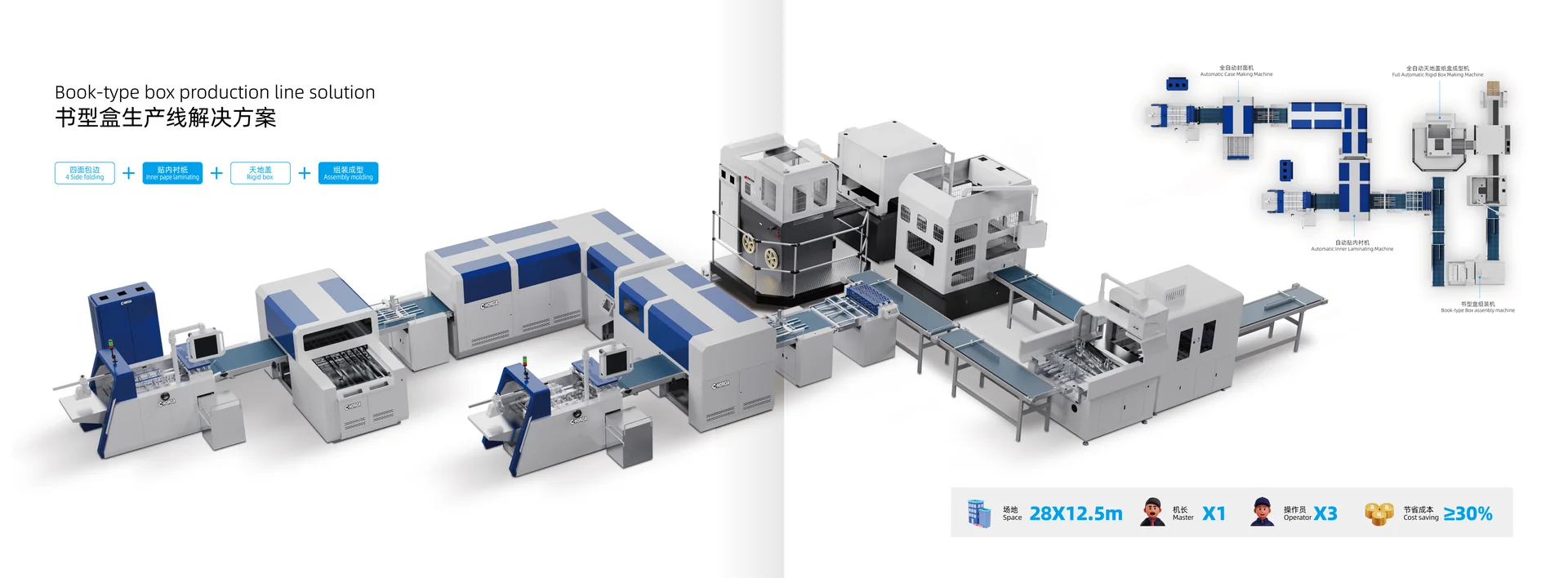
HORDA book-style rigid box production line
Verified catalogue scope

Automation begins with the repeatable case-making operation.

This section separates the operation supported by the supplied HORDA catalogue from downstream work that still needs project-specific confirmation.

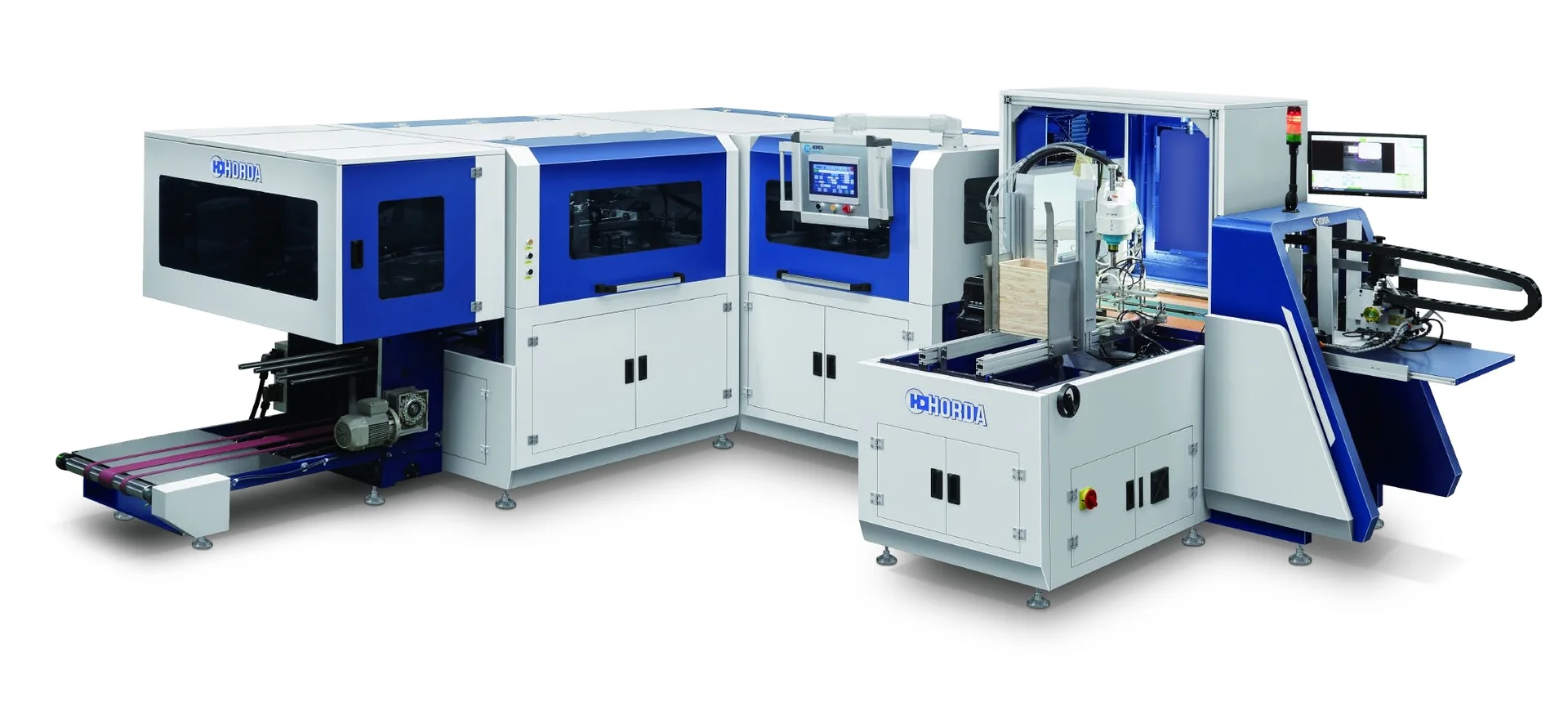
Automated scopeThe ZFM range combines paper feeding and gluing, board positioning, wrapping and collection.
Input disciplineFlat dimensions, board quality and covering-material behavior must be controlled before judging automation.
Output evidenceCatalogue speed is only a screening value; compare consecutive accepted cases using the current job mix.

Source: HORDA 2026 equipment catalogue supplied for this project. Manufacturer statements and configurations require current-document confirmation.

Application engineering brief

Automate the stable work first and keep exceptions visible.

Moving from manual wrapping to automatic case making requires standardized inputs, measurable defects and a plan for short runs or unusual jobs that remain manual.

01Time the manual processRecord labor, accepted output, waste and recurring defects by product family.
02Standardize inputsFix flat drawings, board quality, covering sizes and material storage rules.
03Select representative jobsChoose high-volume, stable products for the first automation trial.
04Prove accepted outputRun consecutive samples and inspect alignment, corners, adhesion and surface.
05Plan the transitionTrain operators, retain manual exception handling and track actual improvement.

Variables that change the equipment decision

  • Current labor and accepted pieces per shift
  • Share of repeat jobs versus one-offs
  • Input variation and supplier consistency
  • Operator training, maintenance and spare-part readiness
Scope boundary: Automation will not correct unstable drawings, warped board, unsuitable adhesive or inconsistent upstream cutting without process control.
Decision framework

Three checks for from manual wrapping to automated case making.

Use these checks to keep the automatic vs manual case making discussion tied to measurable inputs, outputs and responsibility boundaries.

Operation map

Break from manual wrapping to automated case making into feeding, positioning, wrapping, lining and assembly operations.

Line balance

Compare accepted output at every hand-off in the proposed automatic vs manual case making workflow.

Expansion route

Plan utilities, floor space and future capacity before fixing the from manual wrapping to automated case making layout.

Information for review

Prepare a complete automatic vs manual case making brief.

The six items below reduce assumptions when evaluating from manual wrapping to automated case making and make competing technical offers easier to compare.

Finished outputRecord this item specifically for from manual wrapping to automated case making rather than relying on a generic machine request.
Operation sequenceGive the minimum, maximum or current condition that applies to the from manual wrapping to automated case making project.
Machine interfacesAttach a drawing, photograph, specification or physical sample relevant to from manual wrapping to automated case making.
Operators and buffersState how this from manual wrapping to automated case making requirement will be inspected and accepted.
Floor and utilitiesExplain present production, job mix and the expected change connected with from manual wrapping to automated case making.
Acceptance at each hand-offConfirm who supplies, approves and supports this part of the from manual wrapping to automated case making scope.
Project sequence

Move from manual wrapping to automated case making from sample to written scope.

Keep the same product definition, material set and acceptance method throughout the automatic vs manual case making trial, quotation and order.

01Break down the finished product for From manual wrapping to automated case making
02Assign each production step for From manual wrapping to automated case making
03Balance machines and labor for From manual wrapping to automated case making
04Test every hand-off for From manual wrapping to automated case making
05Approve line acceptance for From manual wrapping to automated case making
Frequently asked questions

Questions about from manual wrapping to automated case making.

Use the answers as a starting checklist and confirm project-specific statements with current technical evidence.

How is a From manual wrapping to automated case making configured?

Break the finished product into measurable operations, then assign machines, operators, buffers and quality checks to each hand-off.

Is every machine required from the first stage?

No. A line can be phased around current equipment, bottlenecks, labor and the products with the strongest demand.

What determines line capacity?

Accepted output at the bottleneck, product mix, changeover, material behavior, operator work and downstream assembly all matter.

What belongs in the written scope?

Machine models, options, sample acceptance, utilities, layout, delivery, installation, training, warranty and after-sales responsibility.

Primary topic: automatic vs manual case making. This page remains excluded from search while its facts, images and application proof are under review.

Explore next

Related planning pages.

Continue from from manual wrapping to automated case making to the most relevant equipment, process, application or buyer-information page.

Ready to review your box sample?

Send the finished product, flat drawing, materials, size range and target output.
Request a quote↗