Independent equipment channel featuring HORDA machineryCase making · inner lining · collapsible boxes · frame stretching
Menu
Home / Application planning
Application planning

Calendar Cover Production

Calendar Cover Production requires a defined rigid-case structure, material set and downstream assembly plan. Start with the exact structure, material set, flat dimensions and approved sample.

Evidence-gated draft: technical facts, images and application proof require review before search indexing.
Application planning review

Define what calendar cover production must achieve.

A calendar cover production equipment decision starts with the real product, complete format range, material specification, accepted-output target and the operation that receives the result.

Discuss this requirement →

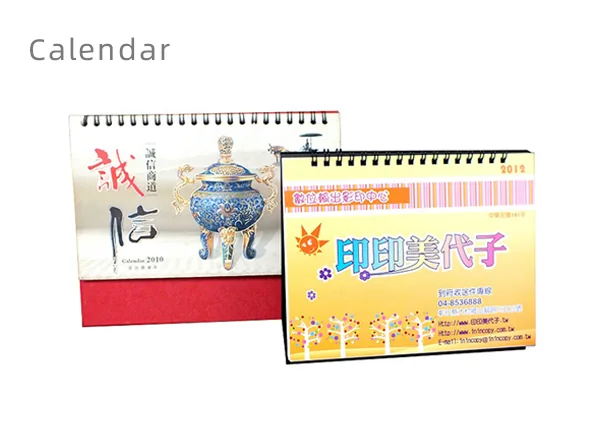
Rigid desk calendar cover, open view
Supplied visual evidence

Reference products and structures

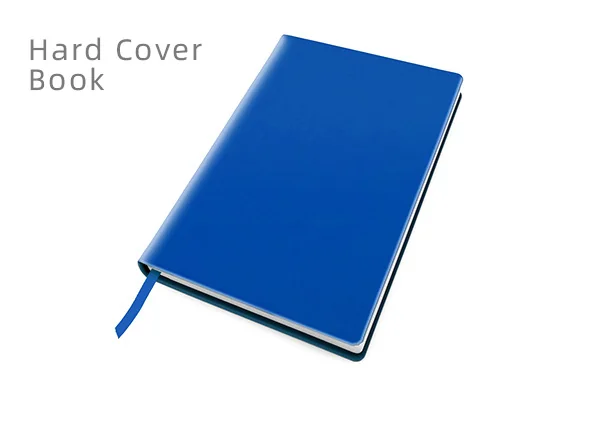
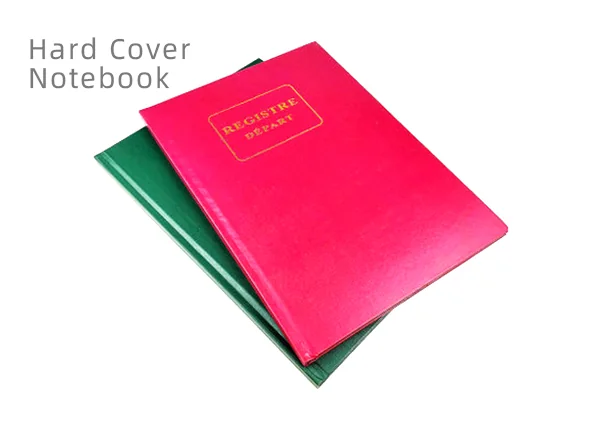
Use these supplied product references to discuss structure, covering material, flat dimensions and the operations required before and after case making.

Rigid desk calendar cover, open view
Hardcover book, open view
Hardcover notebook, open view

Image source: materials supplied for this project. Product, machine and facility identity must be confirmed against the current quotation before making a contractual claim.

Application engineering

Define calendar covers from binding hardware, hanging orientation and repeated page movement.

Premium desk or wall calendars may use wrapped board covers, stands or book-style cases with rings, wires, magnets or supports.

Typical structurePremium desk or wall calendars may use wrapped board covers, stands or book-style cases with rings, wires, magnets or supports.
Critical production riskThe equipment route must control map panels, spine or fold lines, support geometry, holes and hardware clearance. The wider production flow must also prove verify stability, page turning, hardware clearance, closing, surface durability and packed shipment.
Machine-selection ruleSelect equipment from the complete flat format, materials, accepted output and upstream or downstream hand-offs—not from the market name alone.
Production route

Five steps to qualify the application.

Keep the approved sample and the same production materials through trial, quotation and acceptance.

01Define the packed productProvide calendar block size, page count, binding hardware, hanging or standing method and packed orientation.
02Freeze the constructionMap panels, spine or fold lines, support geometry, holes and hardware clearance.
03Qualify production materialsTest board, cover stock, liner and fold behavior through repeated calendar use.
04Prove assembly and handlingVerify stability, page turning, hardware clearance, closing, surface durability and packed shipment.
05Approve a representative runRun minimum, maximum and frequent variants with named checkpoints, retained samples and consecutive accepted output.
RFQ evidence

Six inputs for a useful equipment review.

These inputs help separate machine capability from inserts, assembly, packing and other project responsibilities.

01Finished sample and complete flat drawing
02Provide calendar block size, page count, binding hardware, hanging or standing method and packed orientation.
03Map panels, spine or fold lines, support geometry, holes and hardware clearance.
04Test board, cover stock, liner and fold behavior through repeated calendar use.
05Verify stability, page turning, hardware clearance, closing, surface durability and packed shipment.
06SKU matrix, target output and destination

What remains outside the automatic case operation

Calendar printing, collating, wire or ring binding, hardware and final assembly are separate from cover making.

Scope boundary: Calendar printing, collating, wire or ring binding, hardware and final assembly are separate from cover making.
Decision framework

Three checks for calendar cover production.

Use these checks to keep the calendar cover production equipment discussion tied to measurable inputs, outputs and responsibility boundaries.

Finished structure

Define the exact calendar cover production construction before mapping any machinery.

Material behavior

Test the board, covering sheet, liner and finish intended for calendar cover production.

Process boundary

Separate case making from inserts, hardware and final assembly for this calendar cover production equipment project.

Information for review

Prepare a complete calendar cover production equipment brief.

The six items below reduce assumptions when evaluating calendar cover production and make competing technical offers easier to compare.

Finished boxRecord this item specifically for calendar cover production rather than relying on a generic machine request.
Flat componentsGive the minimum, maximum or current condition that applies to the calendar cover production project.
Board and paperAttach a drawing, photograph, specification or physical sample relevant to calendar cover production.
Visual standardState how this calendar cover production requirement will be inspected and accepted.
Demand patternExplain present production, job mix and the expected change connected with calendar cover production.
Assembly after case makingConfirm who supplies, approves and supports this part of the calendar cover production scope.
Project sequence

Move calendar cover production from sample to written scope.

Keep the same product definition, material set and acceptance method throughout the calendar cover production equipment trial, quotation and order.

01Approve finished sample for Calendar Cover Production
02Measure flat components for Calendar Cover Production
03Select case and lining route for Calendar Cover Production
04Run consecutive trials for Calendar Cover Production
05Verify downstream fit for Calendar Cover Production
Frequently asked questions

Questions about calendar cover production.

Use the answers as a starting checklist and confirm project-specific statements with current technical evidence.

Which machine is suitable for Calendar Cover Production?

Selection depends on the flat component layout, size range, board, covering material, positioning method and the operations before and after case making.

Can the machine make the complete finished product?

Not always. Case making, lining, box-body forming, inserts, magnets and final assembly can be separate production steps.

What should be sent for a machine review?

Send finished and open samples, flat drawings, minimum and maximum sizes, materials, target output and current production method.

How is output confirmed?

Use actual materials and count consecutive accepted pieces after inspection, rather than relying only on catalogue maximum speed.

Primary topic: calendar cover production equipment. This page remains excluded from search while its facts, images and application proof are under review.

Explore next

Related planning pages.

Continue from calendar cover production to the most relevant equipment, process, application or buyer-information page.

Build the right process

Ready to review your box sample?

Send the finished product, flat drawing, materials, size range and target output.

Request a quote →