
Before approving a packaging machine purchase, do not compare warranties by the number of months alone. A useful warranty should tell you when coverage starts, what failures are covered, what is excluded, what remedy is available, who pays for the associated work and logistics, how a claim is opened, and what each promised response time actually means.
That distinction matters because two suppliers can both offer a “one-year warranty” while offering very different practical protection. One warranty may clearly define the start date, covered parts, claim process, freight responsibility and service milestones. Another may state only a duration and a vague promise of “fast support.” On paper, the headline looks similar; operationally, it is not.
The buyer’s task is therefore not to find the longest warranty. It is to turn every important warranty promise into a written, comparable responsibility.
What a Packaging Machine Warranty Must Define Before You Order
Treat the warranty as a procurement specification rather than an after-sales paragraph that can be reviewed later.
At minimum, the written terms should let you answer these questions:
- What exact event starts the warranty period?
- Which machine, configuration and supplied components are covered?
- What types of failure qualify for warranty remedy?
- Which items or conditions are excluded?
- What remedy is available if a valid warranty problem occurs?
- Who bears the cost of replacement parts, labor, freight and on-site service?
- What information must the buyer provide when opening a claim?
- Is there a deadline for notifying the supplier after a defect is discovered?
- What does a promised “response time” actually measure?
- What happens if the first response does not resolve the problem?
- Which quotation, order, warranty schedule or other written document controls the agreement?
These questions are related, but they are not interchangeable. A component can be described as covered without the agreement necessarily defining freight, labor or travel responsibility. A supplier can promise a fast response without promising that the machine will be restored to production within the same period.
That is why a buyer should normalize the warranty into separate fields before comparing suppliers.
Define When the Warranty Clock Starts—and What Can Change It
A statement such as “12-month warranty” is incomplete until the start event is defined.

Possible project milestones can include shipment, delivery, installation, commissioning or formal acceptance, but there is no single trigger that should be assumed for every machinery transaction. The important procurement question is not which trigger is universally correct. It is which trigger applies to this order and whether both parties have written it down clearly.
This can materially change the effective protection available after the machine reaches the production floor. If the warranty starts at an earlier project milestone, transport, installation or commissioning time may consume part of the nominal period. If it begins at a later milestone, the agreement may need to define what happens if that milestone is delayed.
Published packaging-OEM terms show why the trigger must be explicit. MULTIVAC Pte Ltd’s published conditions use a 12-month machine warranty from delivery, while MULTIVAC Vietnam’s published warranty policy uses 12 months from installation, with an 18-month long-stop from the ex-works delivery date. These are supplier- and entity-specific examples, not default terms for other machinery purchases.
A buyer should therefore ask:
- What event starts the warranty?
- How is that event documented?
- Does any maximum time limit apply if installation or acceptance is delayed?
- Can the warranty be suspended, extended or restarted under any defined circumstance?
- Does replacement of a component create a new warranty period for that component, continue the original period, or follow another rule?
The answer to these questions is contract-specific. Shipment, commissioning, or acceptance should not be treated as the default warranty trigger unless the applicable agreement defines it that way.
Separate Covered Failures From Exclusions, Wear Items and Operating Conditions
The next step is to define what the warranty actually covers.
A useful warranty should identify the covered equipment or components and explain what type of defect or failure qualifies for the stated remedy. The buyer should then review exclusions separately rather than trying to infer them from a general statement such as “machine warranty.”
Do not automatically assume that wear items or consumables are either covered or excluded. Ask the supplier to state their treatment explicitly. The same applies to failures associated with operating conditions, unauthorized modification, unsuitable maintenance, external damage or other conditions that the supplier intends to exclude.
The objective is not to create the longest possible list of exclusions. It is to remove ambiguity around the failures most likely to create disagreement later.
What is covered?
Identify the machine, component or failure category.
What would make it excluded?
Record the condition or circumstance that changes coverage.
How is that distinction verified?
Clarify what records, inspection or technical review will be used when the cause is disputed.
This last question is especially important. A warranty can state a clear exclusion but still become difficult to use if the agreement gives no practical path for determining whether the failure falls inside or outside that exclusion.
If your project also requires a recommended spare-parts package, critical-spares inventory or replacement-frequency plan, treat that as a separate purchasing task rather than expanding the warranty review into a complete spare-parts strategy.
Break “Response Time” Into Specific Service Milestones
“24-hour response” sounds precise, but it can describe very different things.
It might mean that someone acknowledges the case within 24 hours. It might mean the first technical reply is provided. It could refer to an initial diagnostic recommendation. It does not, by itself, prove that replacement parts will ship, a technician will arrive, or production will be restored within the same 24 hours.
For procurement purposes, response commitments are easier to compare when they are separated into explicit milestones.
| Service milestone | What the buyer should define |
|---|---|
| Claim acknowledgment | When does the timer start, and what confirms that the case has been received? |
| First technical response | Does this mean contact from a service engineer, or only administrative acknowledgment? |
| Support-hours basis | Is the commitment measured 24/7 or only during stated business hours, in which time zone, and how are weekends or holidays handled? |
| Initial diagnosis | Is the supplier expected to review the available fault information and identify the next diagnostic step? |
| Corrective-action proposal | When should the buyer receive a recommended action, workaround or repair path? |
| Parts dispatch | If a replacement part is required, is dispatch covered by a separate time commitment? |
| Technician dispatch | If on-site service is needed, when is the technician assigned or dispatched? |
| On-site arrival | Is travel time covered by an explicit commitment, or only quoted after the case is reviewed? |
| Restoration / resolution | Is there any separate commitment covering return to operation or final issue closure? |
These milestones are not presented here as an industry-standard SLA structure. They are a buyer-side comparison framework. The actual agreement may use different terminology or combine several stages.
The important point is to prevent one label—“response time”—from carrying more meaning than the written promise supports.
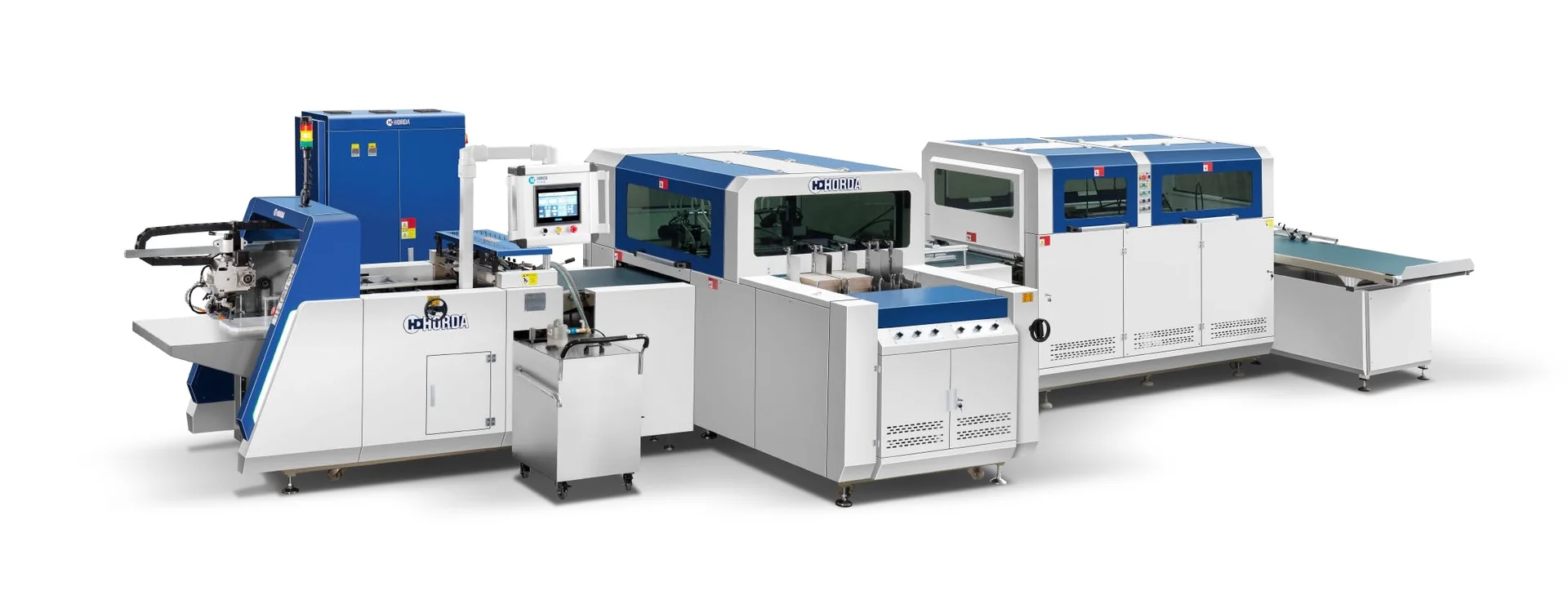
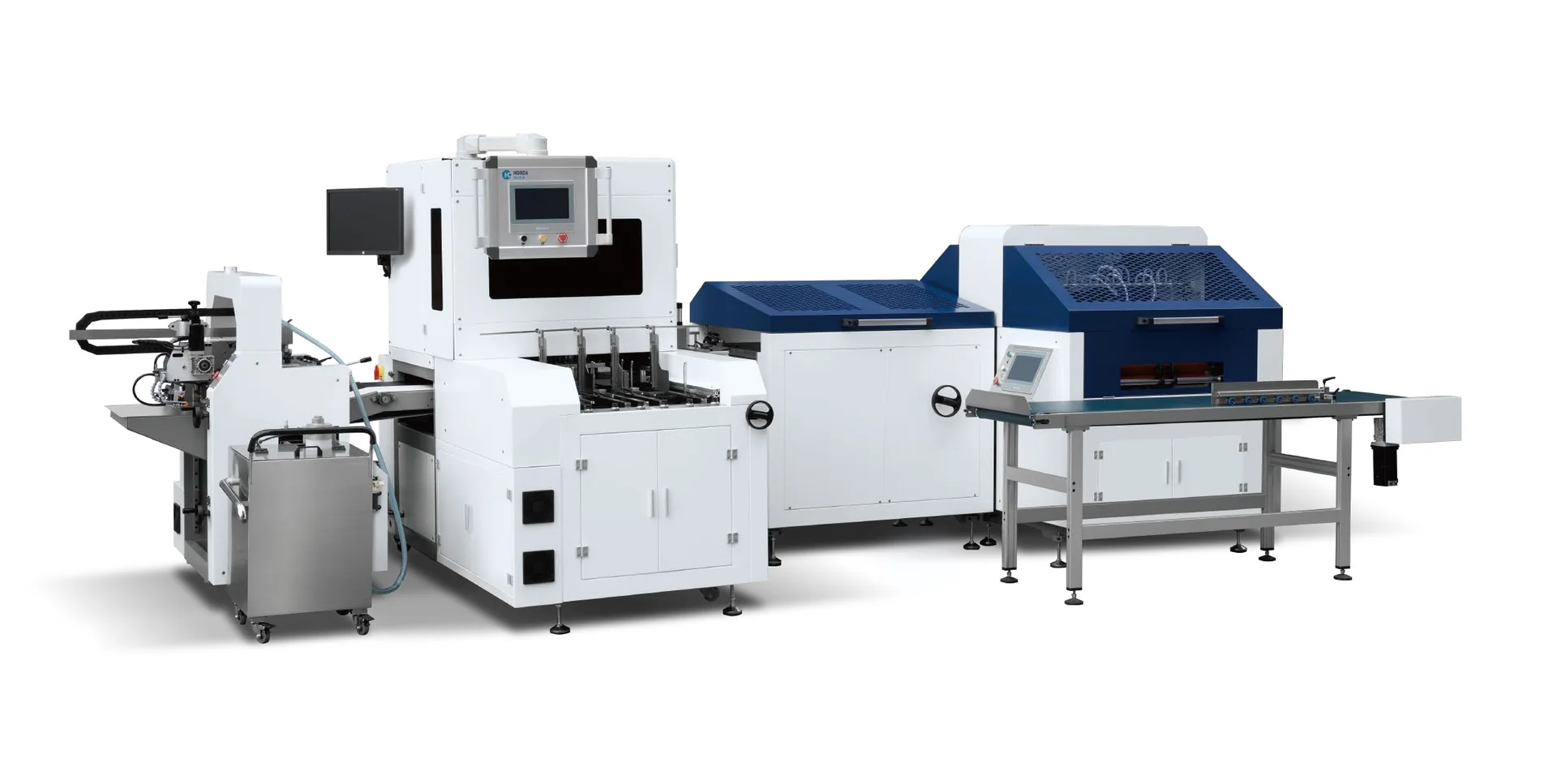
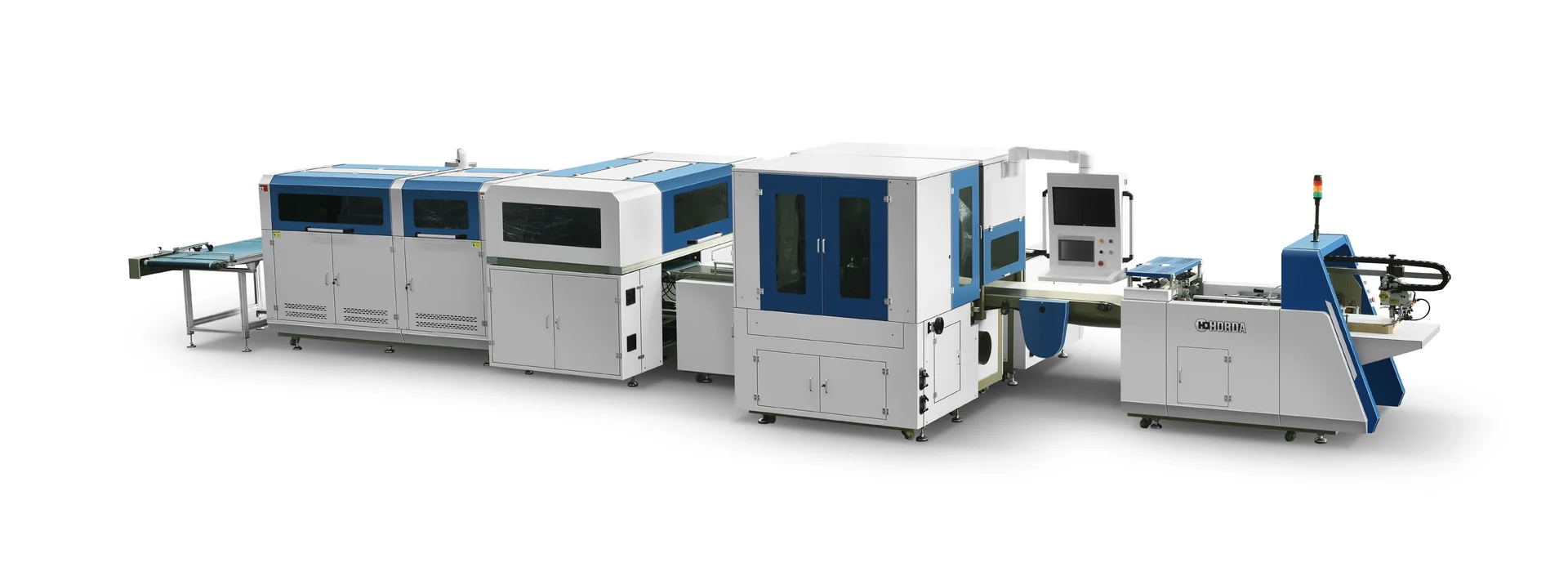
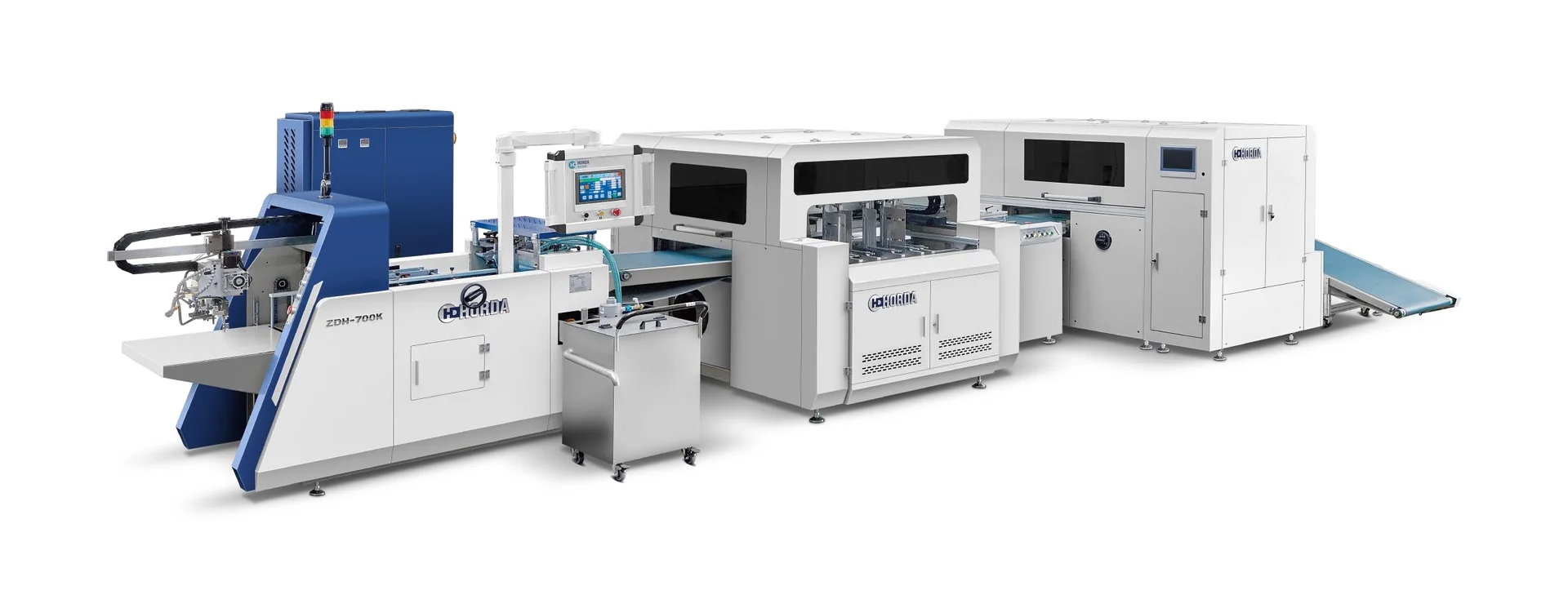
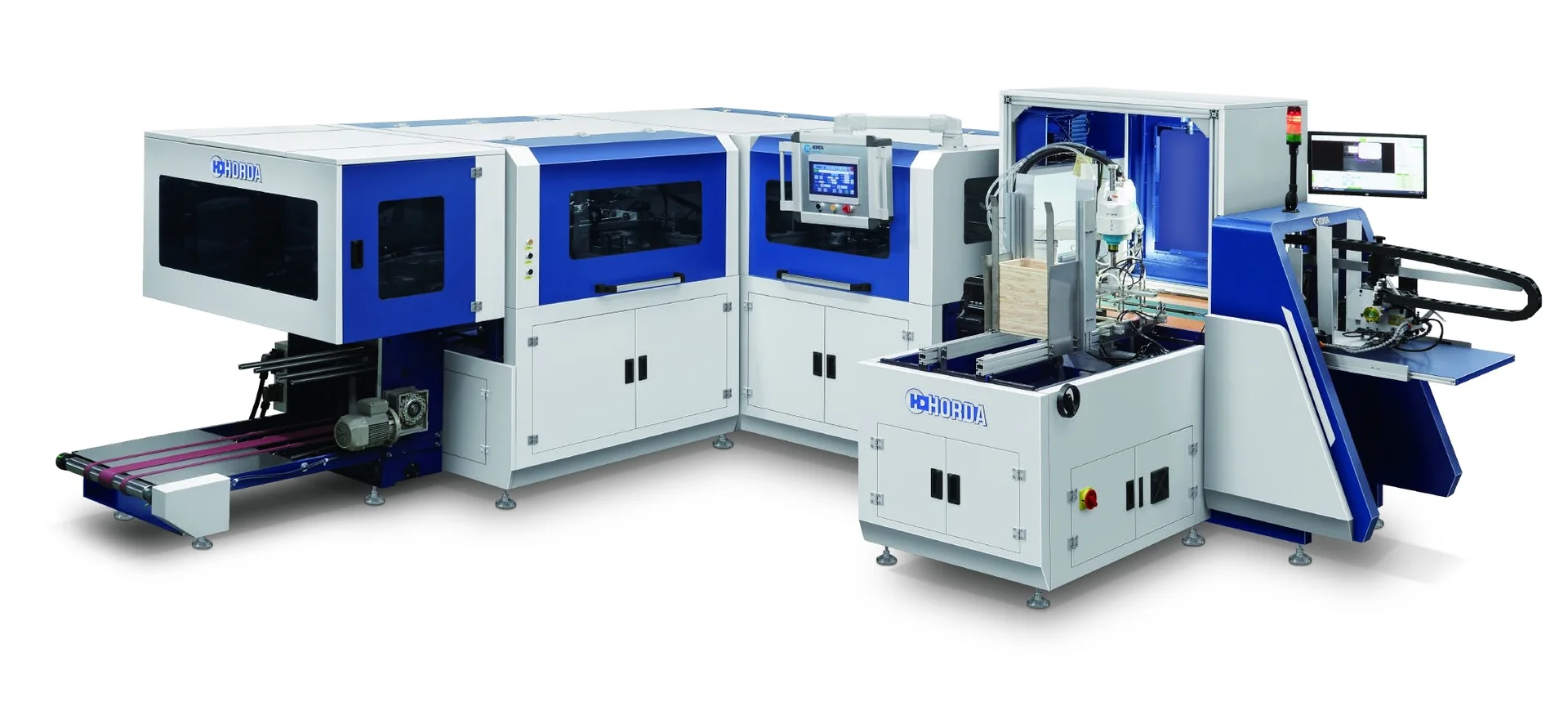
The HORDA catalogue provides a useful example of why this distinction matters. It states a one-year equipment warranty, “lifelong maintenance,” a solution within 24 hours when equipment-use problems occur, and free replacement during the warranty period for parts whose failures are caused by quality issues.
That wording should be read as a HORDA catalogue statement. “Provide solutions within 24 hours” should not automatically be rewritten as “technician arrives within 24 hours,” “parts ship within 24 hours,” or “production will be restored within 24 hours.” Those are different commitments.
For a Raymon Machinery inquiry, the actual commercial warranty and after-sales responsibilities should be confirmed in the applicable written quotation or order rather than inferred from manufacturer catalogue wording.
Put Parts, Labor, Freight, Travel and Access Responsibilities in Writing
Even when a warranty claim is accepted, the total responsibility may involve more than the replacement component itself.
A buyer should clarify each relevant cost and action separately:
- replacement-part cost;
- removal and installation labor;
- outbound freight for replacement parts;
- return freight for failed parts if return is required;
- customs, duties or import handling for cross-border service;
- technician travel and accommodation;
- local labor, lifting or access required for service;
- remote diagnostic access if applicable;
- disassembly and reassembly outside the supplier’s direct scope.
The objective is not to assume who normally pays. It is to prevent the parties from discovering during a breakdown that they interpreted “covered under warranty” differently.
For example, a supplier may agree to replace a defective part but still require the buyer to arrange local installation or freight. Another agreement may allocate those responsibilities differently. Both could legitimately use the phrase “part covered under warranty,” so the phrase alone is not enough for comparison.
When reviewing two quotations, compare the complete responsibility chain, not only the price of the component.
Define the Warranty Claim Workflow Before a Failure Happens
A warranty becomes much easier to use when the claim process is defined before downtime occurs.
The buyer should know where to report the issue, what information will be requested, whether a notice deadline applies after discovery of a defect, and who is authorized to decide the next step. A missed notice window can create a dispute even when the underlying failure would otherwise fall within the warranty period, so the buyer should record that deadline together with the claim channel.
At a minimum, the agreed process should make it possible to identify the machine and describe the observed problem accurately. Depending on the supplier’s own procedure and the machine involved, a claim may require information such as:
- machine model, configuration or serial identification;
- description of the fault and when it occurred;
- alarm or error information where available;
- operating condition when the problem appeared;
- photographs, video, logs or sample information if specifically requested;
- actions already taken by the operator;
- contact person available for follow-up;
- remote diagnostic cooperation where this is part of the agreed service method.
These are possible information categories, not universal mandatory claim requirements. The exact evidence and notice period should come from the supplier’s written procedure, machine documentation or project terms.
The buyer should also define the escalation path. If the first contact cannot resolve the case, who owns the next decision? When does the case move from remote support to parts replacement or on-site service? Who approves that transition?
A good warranty process removes these questions before they become part of the failure itself.
Compare Supplier Warranties With One Written Matrix
The easiest way to compare warranties is to convert each supplier’s language into the same set of fields.
| Comparison field | Supplier A | Supplier B | What the buyer should verify |
|---|---|---|---|
| Warranty duration | Exact stated period | ||
| Start trigger | Shipment, delivery, installation, commissioning, acceptance or other defined event | ||
| Covered equipment/components | Exact machine/configuration and included scope | ||
| Covered failure basis | What qualifies for warranty remedy | ||
| Exclusions | Conditions that remove coverage | ||
| Wear items / consumables | Included, excluded or separately defined | ||
| Remedy | Repair, replacement or other agreed action | ||
| Replacement-part cost | Who bears the part cost | ||
| Labor responsibility | Remote/local/on-site responsibility | ||
| Freight / return freight | Who arranges and pays | ||
| Travel / accommodation | Responsibility if on-site support is needed | ||
| Claim channel | Authorized contact and notification method | ||
| Claim notice deadline | Time allowed to notify the supplier after a defect is discovered | ||
| Required claim information | What must be submitted before diagnosis/action | ||
| First response milestone | Exactly what “response” means | ||
| Support-hours basis | 24/7 or business hours, time zone, weekend/holiday treatment | ||
| Diagnostic/action milestone | Expected next technical step | ||
| Parts / technician milestone | Separate commitment if one exists | ||
| Escalation path | What happens when the first action does not resolve the problem | ||
| Controlling document | Quotation, order, warranty schedule or other agreed document |
This format also exposes several common purchasing mistakes.
Comparing warranty months only.
Duration tells you little if the start trigger, covered scope and remedy are unclear.
Accepting “fast response” without a definition.
A fast acknowledgment is not automatically a fast repair.
Assuming a covered component means every associated cost is covered.
Parts, labor, freight and travel should be reviewed separately.
Assuming remote support and on-site support are the same commitment.
They may have different conditions, costs and timing.
Leaving exclusions in generic language.
If an exclusion could materially affect the intended operating environment, ask what evidence would determine whether it applies.
Relying on brochures or verbal statements without checking the controlling commercial document.
Manufacturer literature can provide useful background, but the transaction-specific obligation should be identifiable in the documents that govern the purchase.
The matrix turns the warranty from a sales phrase into a set of comparable procurement fields.
What to Confirm in the Quotation or PO Before Final Approval
Before final approval, move unresolved warranty questions into the written commercial documentation.
A practical final check is:
- Exact machine and configuration covered
- Warranty period
- Warranty commencement trigger
- Covered failures/components
- Exclusions
- Wear-item and consumable treatment
- Agreed remedy
- Parts-cost responsibility
- Labor responsibility
- Freight / return-freight responsibility
- Technician travel / accommodation responsibility where applicable
- Claim notification channel
- Claim notice deadline after discovery of a defect
- Required claim information
- Meaning of each response-time commitment
- Support-hours basis and time zone where relevant
- Parts-dispatch / technician-dispatch terms if promised
- Escalation path
- Controlling warranty / quotation / order document
- Any unresolved exceptions recorded for written confirmation
If a term matters to your production risk or project budget, do not leave it as an assumption.
For HORDA-manufactured equipment presented through Raymon Machinery, the machine/configuration, destination, quotation and warranty questions can be submitted for commercial confirmation. The final seller, delivery, installation, warranty and after-sales responsibilities should remain those stated in the applicable written quotation/order—not assumptions created by a catalogue statement or general industry practice.